
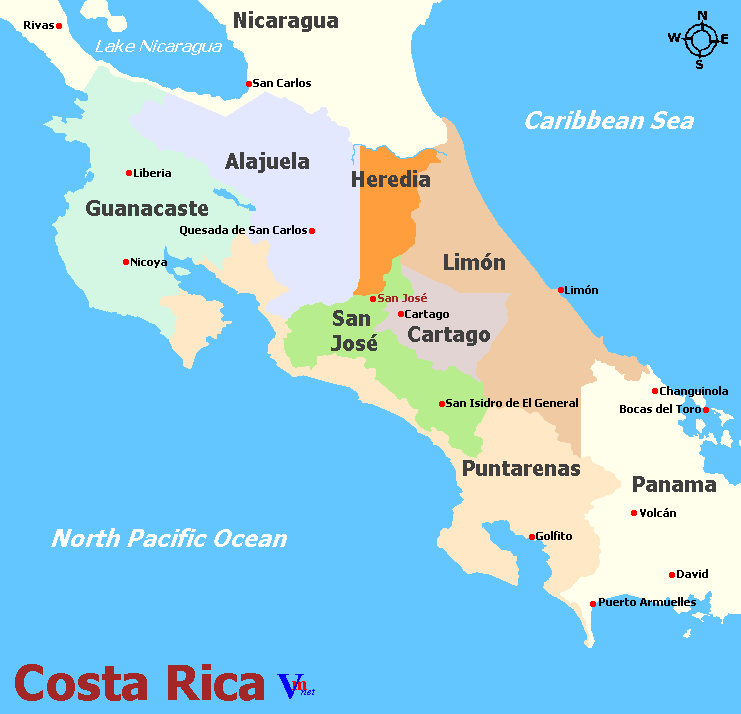
Costa Rica is internationally known for its biodiversity, volcanic landscapes, rainforests, and commitment to environmental conservation. The country's varied geography includes mountain ranges, highland valleys, Caribbean lowlands, and Pacific coastal regions.
Although Costa Rica is not a major wine-producing nation, small-scale vineyard projects and experimental grape cultivation have been attempted in selected highland areas where temperatures are cooler than in the tropical lowlands.
Most wine consumed in Costa Rica is imported, but local beverage traditions continue to evolve alongside a growing tourism and culinary sector.
The country's mountainous interior offers some of the most favourable conditions for experimental grape growing in Central America.
Areas associated with specialty agriculture and limited vineyard activity include:
Central Valley
Cartago region
Heredia highlands
selected mountain districts
While production remains small, these areas provide cooler temperatures and reduced humidity compared to coastal regions.
The alcoholic beverage most closely associated with Costa Rica is guaro.
Cacique Guaro
Produced from sugar cane, guaro is a clear spirit that is widely consumed throughout the country. It is
commonly mixed with fruit juices, soft drinks, and tropical ingredients.
Guaro plays a role in social gatherings, celebrations, and everyday hospitality.
Costa Rica is one of the world's most respected coffee-producing countries.
Major coffee-growing regions include:
Tarrazu
Central Valley
West Valley
Tres Rios
Brunca
Turrialba
High elevations, volcanic soils, and careful cultivation practices have helped Costa Rican coffee earn an international reputation for quality.
Costa Rica's tropical climate supports an abundance of fruits suitable for beverages and specialty wines.
pineapple
mango
guava
passion fruit
papaya
cas fruit
coconut
Fruit wines and fruit-based alcoholic beverages are occasionally produced for local markets and tourism- related businesses.
Costa Rica contains one of the most diverse environments in Central America.
volcanic mountain ranges
cloud forests
highland valleys
Caribbean lowlands
Pacific coastlines
fertile volcanic soils
These diverse conditions support a wide range of agricultural products and specialty crops.
Wine consumption has increased significantly as tourism and international cuisine have expanded.
Common imports originate from:
Chile
Argentina
Spain
France
Italy
United States
Wine is widely available in resorts, restaurants, and urban centres such as San Jose.
Costa Rica's eco-tourism industry attracts visitors from around the world, creating demand for diverse food and beverage experiences.
Restaurants increasingly combine local ingredients with international culinary influences, helping support a growing market for imported wines and specialty beverages.
Costa Rica is not a major wine-producing country, but it has developed a diverse beverage culture centered on premium coffee, guaro, tropical fruit products, and innovative agriculture. Small-scale vineyard projects, a thriving tourism industry, and world-renowned coffee production make Costa Rica one of Central America's most interesting beverage destinations.