
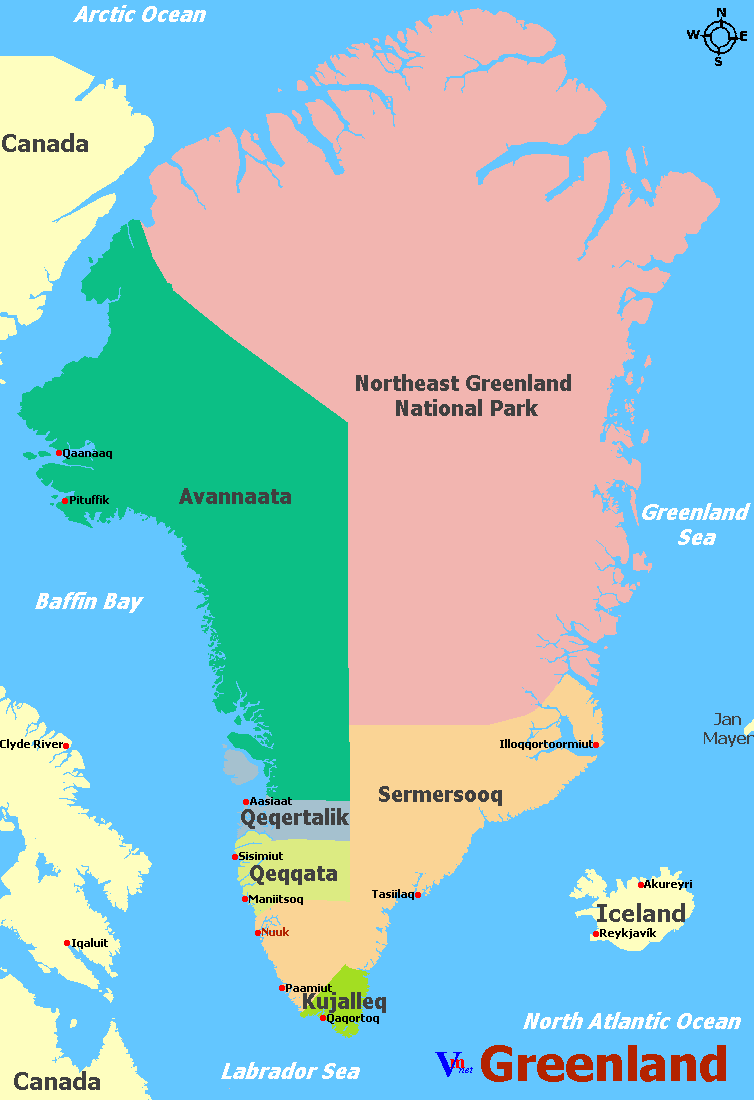
Greenland is the world's largest island and is located between the Arctic and Atlantic Oceans. Approximately 80 percent of the country is covered by ice, making traditional agriculture extremely limited. As a result, Greenland is not a wine-producing region and has no significant commercial vineyard industry. :contentReference[oaicite:0]{index=0}
Most wine consumed in Greenland is imported, primarily through connections with Denmark and other European countries. Despite the lack of local vineyards, wine is commonly available in restaurants, hotels, and larger communities. :contentReference[oaicite:1]{index=1}
Rather than wine production, Greenland's beverage culture is shaped by Arctic ingredients, imported beverages, local brewing, and long-standing Nordic traditions.
Greenland has developed a small but distinctive brewing industry that uses exceptionally pure water derived from glaciers and ice caps. Breweries have experimented with local Arctic ingredients and glacial water to create products unique to the region. :contentReference[oaicite:2]{index=2}
Some Greenlandic beers incorporate:
crowberriesThese ingredients help distinguish Greenlandic beer from products found elsewhere in the world. :contentReference[oaicite:3]{index=3}
Greenland's most famous beverage is not a wine or a beer, but a specialty coffee drink.
Greenlandic Coffee
A popular after-dinner drink made with hot coffee, whisky, Kahlua, Grand Marnier, and whipped cream.
The drink is traditionally ignited before serving and has become one of Greenland's best-known culinary
traditions. :contentReference[oaicite:4]{index=4}
Homemade brewing also has a long history in Greenland, particularly during periods when alcohol imports and sales were restricted. :contentReference[oaicite:5]{index=5}
Greenland possesses one of the most challenging environments on Earth for grape cultivation.
Arctic climateAlthough climate change has led to discussions about future agricultural possibilities, commercial wine production remains largely speculative at present. :contentReference[oaicite:6]{index=6}
Imported wines are the primary source of wine in Greenland.
Common imports originate from:
FranceWine consumption is concentrated in larger communities such as Nuuk, Sisimiut, Ilulissat, and other population centres.
Greenland is not a wine-producing country, but it has developed a distinctive Arctic beverage culture centred on glacial-water brewing, Greenlandic coffee, and imported European wines. The country's unique environment and Nordic heritage have created beverage traditions unlike those found anywhere else in the world.