
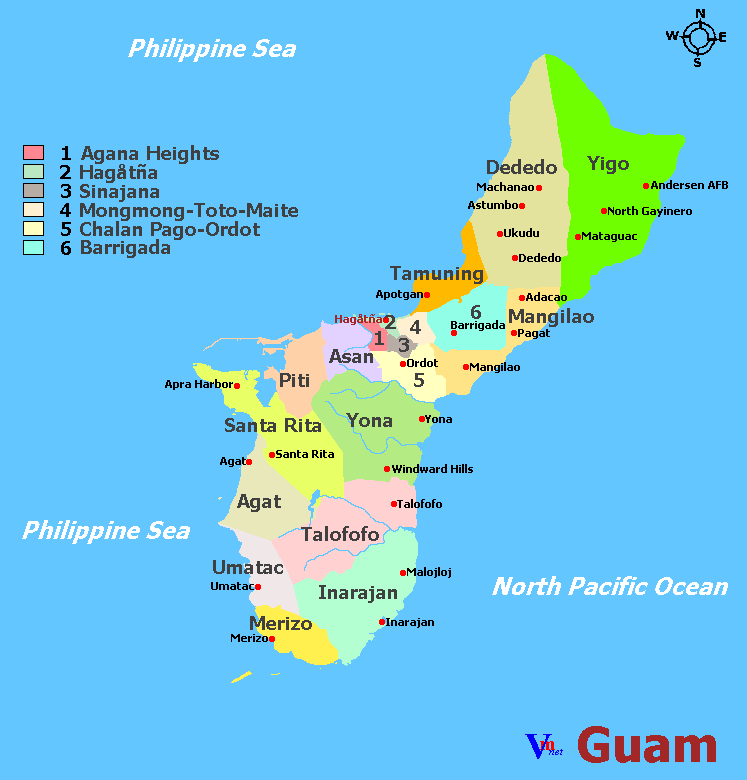
Guam is the largest island in the Mariana Islands and an unincorporated territory of the United States located in the western Pacific Ocean. The island is known for its tropical landscapes, military significance, tourism industry, and rich Chamorro cultural heritage.
Commercial grape wine production is extremely limited due to the island's tropical climate, high humidity, and seasonal rainfall. Most wines consumed on Guam are imported.
The island's beverage culture is instead built around tropical fruits, coconut products, international influences, and local Chamorro traditions.
The Indigenous Chamorro people have shaped Guam's culture for thousands of years.
Traditional foods and beverages continue to influence local cuisine and community celebrations.
Spanish, American, Filipino, Japanese, Korean, and Pacific influences have further enriched Guam's modern food and beverage culture.
Guam's tropical environment supports a wide variety of fruits suitable for beverages and occasional fruit wine production.
mango
pineapple
papaya
guava
passion fruit
banana
coconut
Fruit wines and fruit-based alcoholic beverages occasionally appear in specialty markets and tourism- related businesses.
Coconut palms are common throughout the island and remain an important part of local food and beverage traditions.
Popular coconut-based beverages include:
fresh coconut water
coconut milk drinks
traditional island refreshments
These beverages remain popular with both residents and visitors.
Guam is one of the Pacific's most important tourism destinations.
Visitors from Japan, South Korea, the United States, and other countries have helped create a diverse beverage market.
Hotels and restaurants commonly offer:
imported wines
international beers
premium spirits
tropical cocktails
The hospitality industry plays a major role in beverage consumption on the island.
Most wines available on Guam are imported.
Common sources include:
United States
France
Italy
Australia
New Zealand
Chile
Wine is widely available in resorts, restaurants, and retail outlets throughout the island.
Guam enjoys a tropical marine climate throughout the year.
warm temperatures year-round
high humidity
seasonal rainfall
limestone plateaus
volcanic landscapes in the south
strong ocean influences
These conditions support tropical agriculture but are generally unsuitable for commercial vineyards.
Agriculture contributes a variety of ingredients used in local beverages.
Important crops include:
coconut
banana
mango
papaya
breadfruit
citrus fruits
These products help shape Guam's distinctive island cuisine and beverage culture.
Guam is not a wine-producing region, but it possesses a vibrant beverage culture shaped by Chamorro traditions, tropical agriculture, American influences, and international tourism. Coconut drinks, tropical fruit beverages, imported wines, and Pacific island hospitality combine to create a unique beverage identity in the Mariana Islands.