
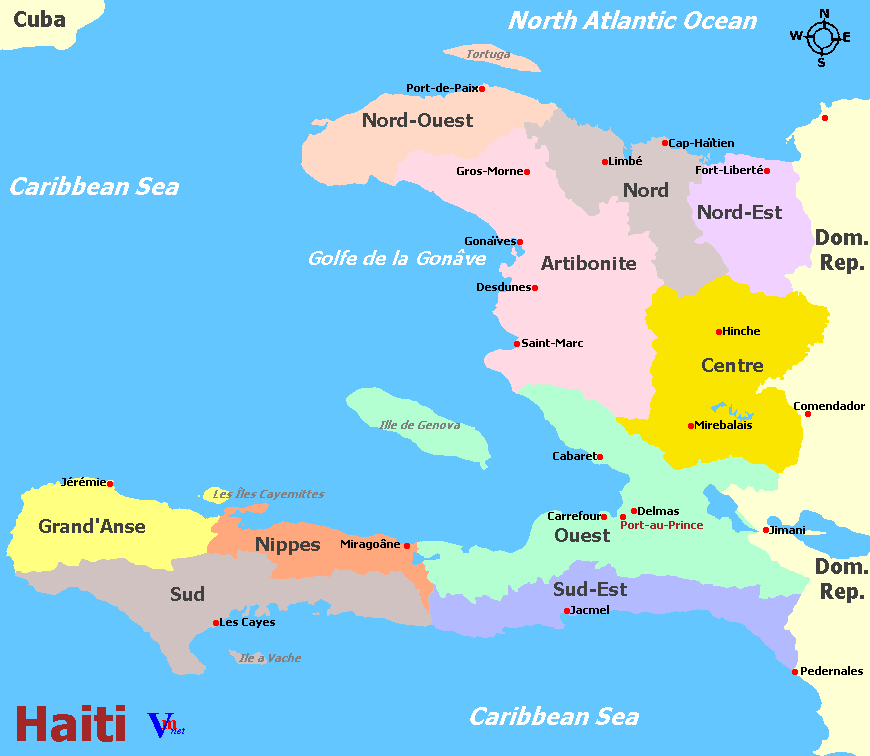
Haiti occupies the western portion of the island of Hispaniola and possesses one of the oldest and most distinctive beverage traditions in the Caribbean. While the country is not known for commercial wine production, it has earned international recognition for its unique sugar cane spirits and traditional distillation methods.
The tropical climate, mountainous terrain, and agricultural challenges have limited the development of vineyard cultivation. Most wine consumed in Haiti is imported, particularly from France, Chile, Spain, and other wine-producing countries.
Haiti's true beverage identity is found in its rum and clairin traditions, which have deep roots in rural communities throughout the country.
Perhaps no beverage is more closely associated with Haiti than clairin.
Clairin
Clairin is a traditional spirit distilled directly from fresh sugar cane juice using small-scale methods that
often vary from village to village. Many producers continue to use techniques that have changed little
over generations.
Unlike industrial rum production, clairin is frequently made in rural areas using locally grown sugar cane and natural fermentation processes.
In recent years, clairin has gained international attention among spirit enthusiasts who value its authenticity and regional character.
Haiti is also home to one of the Caribbean's most respected rum producers.
Rhum Barbancourt
Founded in 1862, Barbancourt is internationally recognized for producing premium rum from sugar cane
juice rather than molasses. The company combines Caribbean ingredients with techniques inspired by
French cognac production.
Barbancourt remains one of Haiti's most famous exports.
Haiti's tropical agriculture provides a variety of fruits that can be used in homemade wines and fermented beverages.
mangoThese beverages are generally produced on a small scale and are far less significant than rum and clairin.
Haitian beverage traditions reflect a blend of African, French, Indigenous, and Caribbean influences.
Many celebrations, festivals, and community gatherings feature locally produced spirits, traditional recipes, and drinks tied to regional customs.
This strong connection between beverages and cultural identity has helped preserve traditional production methods that have disappeared in many other places.
Haiti's landscape is dominated by mountains and valleys that shape agricultural production.
mountainous terrainThese conditions support sugar cane cultivation but create challenges for commercial vineyard development.
Imported wines are available in larger cities, hotels, restaurants, and tourist areas.
Common imports originate from:
FranceFrench cultural connections have historically influenced wine consumption patterns within Haiti.
Haiti is not a major wine-producing country, but it possesses one of the Caribbean's most distinctive spirit traditions. Clairin, Rhum Barbancourt, and small-scale sugar cane distillation reflect centuries of local craftsmanship and cultural heritage. These beverages provide a far more authentic representation of Haiti than vineyard production, making the country an important destination in the world of traditional spirits.