
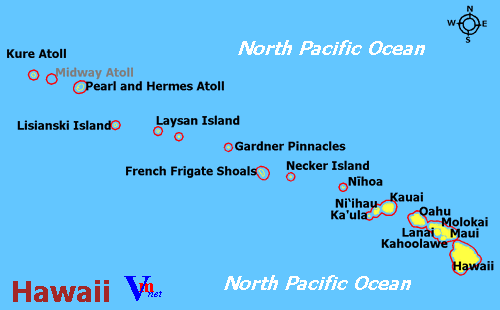
Hawaii is one of the world's most unusual wine-producing regions. Located in the central Pacific Ocean, the islands combine tropical climates, volcanic soils, high elevations, and abundant sunshine to create opportunities for unique forms of viticulture.
Unlike most tropical islands, Hawaii has developed a commercial wine industry that includes both grape wines and fruit wines. The state's beverage culture is also influenced by coffee production, tropical agriculture, and Polynesian traditions.
Hawaii remains the only state in the United States with a truly tropical wine industry.
Maui Wine is one of Hawaii's best-known wineries.
Located in the uplands of Maui, the winery became internationally recognized for producing:
pineapple wine
grape wine
sparkling wine
The combination of tropical fruit and traditional winemaking has helped establish Maui Wine as one of Hawaii's signature beverage producers.
Located on the Big Island near Kilauea, Volcano Winery is among Hawaii's most distinctive wineries.
The winery produces wines using:
grapes
tropical fruits
local agricultural products
Volcanic soils and elevated growing conditions contribute to its unique character.
Hawaii is widely known for producing fruit wines that reflect the islands' agricultural diversity.
Popular ingredients include:
pineapple
passion fruit
guava
mango
starfruit
papaya
These fruits are used to create wines that cannot be replicated in most traditional wine regions.
Although limited compared with mainland wine regions, grape cultivation does occur in selected locations.
Factors supporting viticulture include:
high-elevation sites
volcanic soils
abundant sunshine
cooler mountain temperatures
These conditions help overcome some of the challenges associated with tropical climates.
Coffee is one of Hawaii's most important agricultural products.
Kona Coffee
Produced on the slopes of Mauna Loa and Hualalai on the Big Island, Kona Coffee is among the world's
most famous specialty coffees.
Coffee tourism and wine tourism often complement each other throughout the islands.
Hawaii possesses some of the most varied growing conditions in the Pacific.
volcanic mountains
tropical climate
high-elevation growing areas
lava-derived soils
ocean influences
year-round growing seasons
These conditions allow agricultural experimentation rarely possible elsewhere in the Pacific.
Wine tourism forms part of Hawaii's broader agricultural tourism industry.
Popular attractions include:
Maui Wine
Volcano Winery
vineyard tours
fruit wine tastings
agricultural experiences
volcanic landscapes
Visitors can experience wine production in a tropical setting unlike any major wine region on the mainland United States.
Hawaii is one of the Pacific's most unusual wine-producing regions. Tropical fruit wines, volcanic vineyards, pineapple wines, and limited grape production combine to create a distinctive wine culture that reflects the islands' unique geography, agriculture, and Pacific heritage.