
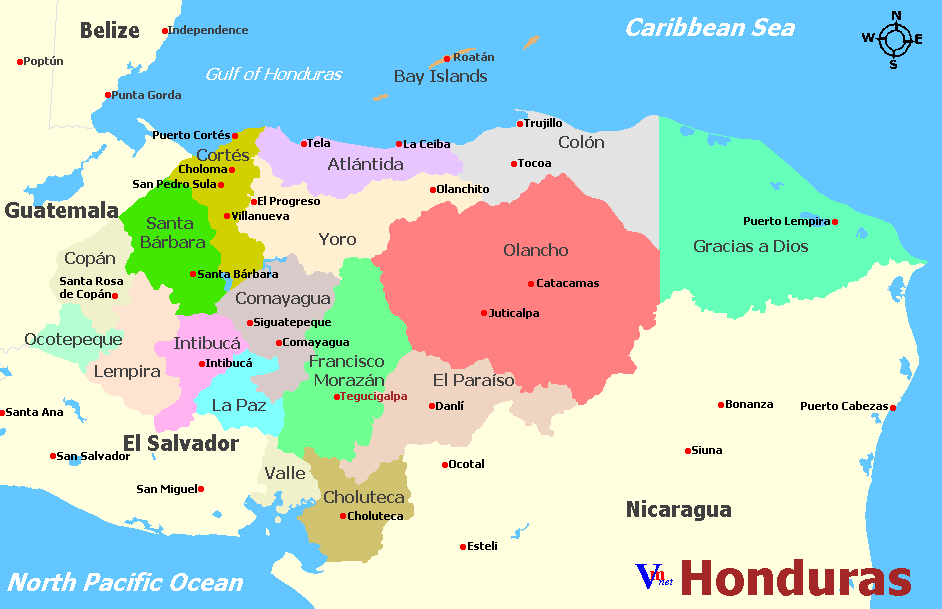
Honduras stretches from the Caribbean Sea to the Pacific Ocean and contains mountains, fertile valleys, tropical forests, and coastal plains. The country's diverse geography has shaped an equally diverse beverage culture that combines Indigenous, Spanish, African, and Caribbean influences.
Although Honduras is not widely recognized as a wine-producing nation, small-scale vineyard projects and experimental grape growing have taken place in some of the cooler highland regions. Most wine consumed in Honduras continues to be imported.
The country's beverage identity is more strongly associated with coffee, tropical fruits, sugar cane products, and regional spirits.
The Caribbean coast of Honduras is home to important Garifuna communities whose traditions have helped shape local food and drink culture.
Guifiti
One of Honduras' most distinctive alcoholic beverages. Guifiti is made by infusing rum or other spirits
with roots, herbs, bark, spices, and medicinal plants. Recipes vary from family to family and community
to community.
The drink is especially associated with coastal regions and the Bay Islands.
Coffee is arguably Honduras' most important beverage product.
The country is one of the largest coffee producers in the Americas and exports premium beans throughout the world.
Major coffee-growing regions include:
CopanHigh elevations and favourable growing conditions have helped Honduran coffee gain international recognition.
Sugar cane cultivation supports the production of rum and traditional spirits.
Aguardiente
Traditional sugar cane spirits remain popular throughout the country and are commonly consumed during
celebrations and festivals.
Rum-based beverages are particularly popular in coastal regions influenced by Caribbean culture.
Honduras produces a wide range of tropical fruits that can be used in specialty wines and fermented beverages.
mangoWhile fruit wine production remains limited, these ingredients are widely used in juices, cocktails, and homemade beverages.
Imported wines have become increasingly popular in urban centres and tourism destinations.
Common imports originate from:
ChileHotels and restaurants in Tegucigalpa, San Pedro Sula, Roatan, and other tourism centres often maintain international wine selections.
Honduras possesses one of the most varied landscapes in Central America.
mountain rangesThe cooler highlands provide the most suitable conditions for any future vineyard development.
Honduras is not a major wine-producing country, but it possesses a rich beverage culture shaped by coffee production, Garifuna traditions, tropical agriculture, and sugar cane spirits. Guifiti, premium coffee, tropical fruit beverages, and Caribbean influences provide a distinctive identity that sets Honduras apart within Central America.