
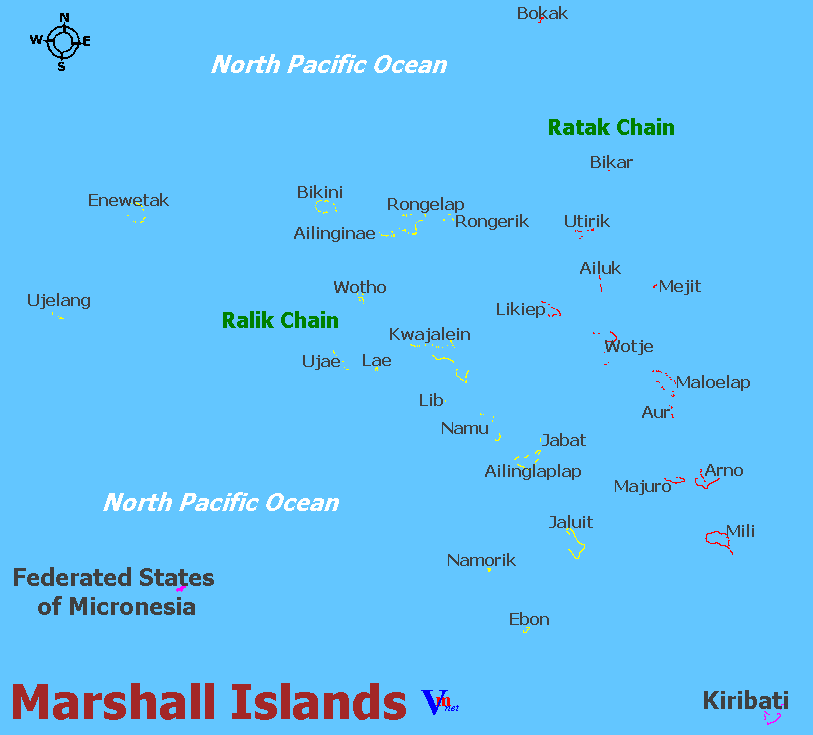
The Marshall Islands is a Pacific island nation consisting of twenty-nine coral atolls and five isolated islands spread across a vast area of the central Pacific Ocean. The country is divided into two island chains known as the Ratak Chain and the Ralik Chain.
The low-lying coral atolls that make up the Marshall Islands are unsuitable for commercial grape cultivation, and the nation does not have a wine industry.
Instead, traditional beverages have developed around coconuts, breadfruit, pandanus, and other crops that can thrive in atoll environments.
The most important traditional beverage in the Marshall Islands is coconut toddy.
Fresh Toddy
Collected from the flowering stalks of coconut palms, fresh toddy is naturally sweet and widely consumed
throughout the islands.
For generations, toddy has been an important source of nutrition and hydration in Marshallese communities.
The drink remains a central part of traditional island life.
When coconut sap is allowed to ferment, it develops alcoholic characteristics and becomes one of the few traditional alcoholic beverages available on many atolls.
Methods of preparation vary between communities and islands, reflecting local customs and traditions.
Fermented toddy has historically played a role in social gatherings and cultural activities.
Breadfruit and pandanus are among the most important traditional crops in the Marshall Islands.
These plants contribute to:
traditional beverages
fruit-based drinks
preserved foods
community celebrations
Both crops have long been essential to life on remote coral atolls.
Agriculture in the Marshall Islands is adapted to challenging environmental conditions.
Important crops include:
coconut
breadfruit
pandanus
banana
papaya
taro
Many local beverages are derived directly from these crops.
Wine available in the Marshall Islands is almost entirely imported.
Imports typically originate from:
United States
Australia
New Zealand
France
Wine consumption remains relatively limited compared with larger Pacific countries.
The Marshall Islands consist almost entirely of low coral atolls rising only a few metres above sea level.
tropical climate
coral soils
low elevations
warm temperatures year-round
limited freshwater resources
strong ocean influences
These conditions support coconut palms exceptionally well but are unsuitable for vineyard development.
Traditional beverages remain closely connected to community life and local customs throughout the islands.
Toddy production continues to reflect knowledge and practices passed down through generations of Marshallese families.
The coconut palm remains one of the most important resources in everyday life.
The Marshall Islands are not a wine-producing nation, but they possess a distinctive beverage culture based on coconut toddy, fermented coconut products, breadfruit, and pandanus. These traditional drinks reflect centuries of adaptation to life on remote Pacific atolls and remain an important part of Marshallese cultural heritage.