
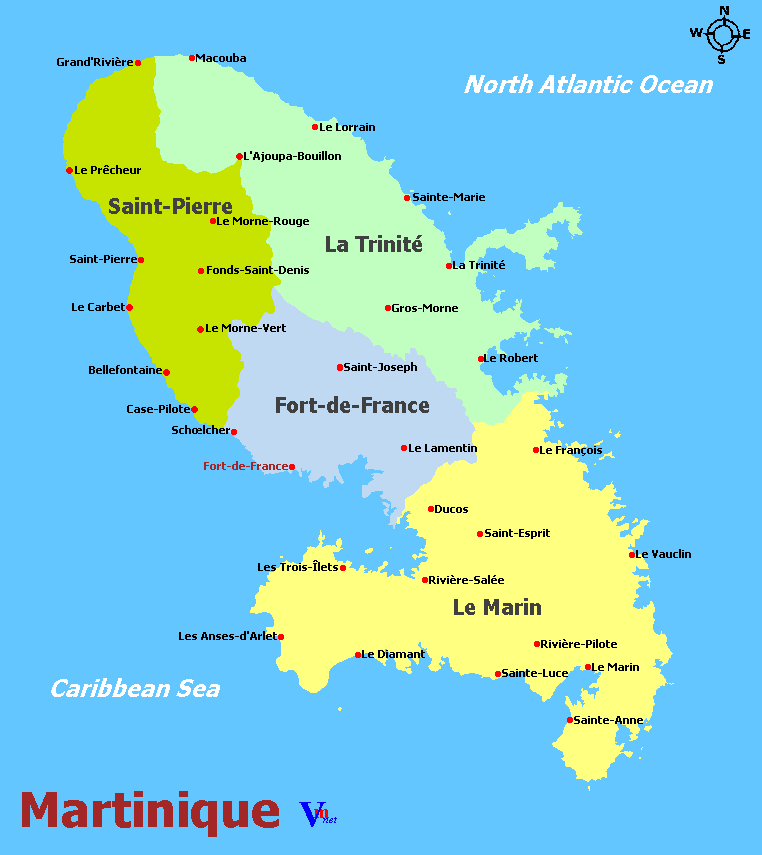
Martinique is a French overseas department located in the Lesser Antilles of the eastern Caribbean. The island combines French culinary traditions with Caribbean agriculture, creating one of the most distinctive food and beverage cultures in the region.
Although wine is widely consumed, Martinique is not known for commercial vineyard production. Most wines are imported from France and other wine-producing countries. The island's international reputation instead rests upon its exceptional rhum agricole industry.
Among rum enthusiasts, Martinique is often regarded as one of the world's premier rum-producing regions.
Martinique is unique because it is the only rum-producing region in the world with an Appellation d'Origine Controlee (AOC) designation comparable to those used for French wines and cheeses.
The AOC establishes strict rules governing production methods, sugar cane cultivation, distillation, and geographic origin.
Rhum Agricole
Unlike molasses-based rum, rhum agricole is distilled directly from freshly pressed sugar cane juice. This
creates a spirit that reflects the terroir, climate, and agricultural character of the island.
Martinique is home to several internationally respected distilleries.
Saint James
One of the oldest and most recognized rum producers in the Caribbean.
Clement
Known for premium aged rhums and an important historic estate.
Neisson
A highly respected producer favored by many rum enthusiasts.
Depaz
Located near Mount Pelee and known for volcanic terroir influences.
J.M.
Produced in northern Martinique using water sourced from the slopes of Mount Pelee.
Trois Rivieres
One of the island's most recognized rhum agricole producers.
Several beverages are closely associated with Martinique.
Ti' Punch
The national drink of Martinique. Traditionally prepared using rhum agricole, cane syrup, and lime.
Planteur Punch
A fruit-based rum punch made using tropical juices, spices, and local rhum.
Punchs Arranges
Flavoured rum infusions made with fruits, spices, coffee, cocoa, or herbs.
Because Martinique is part of France, French wine culture is deeply embedded in daily life. Imported wines are commonly available in homes, restaurants, and supermarkets.
Popular imports include:
BordeauxWine often accompanies meals in a manner similar to metropolitan France.
Martinique possesses a varied landscape that supports sugar cane cultivation exceptionally well.
volcanic soilsThese conditions contribute significantly to the character of the island's rhum agricole.
Martinique is not a major wine-producing island, but it is one of the world's most important rum- producing regions. Its AOC rhum agricole system, historic distilleries, French cultural influences, and strong agricultural traditions have created a beverage culture that is unique not only within the Caribbean but globally.