
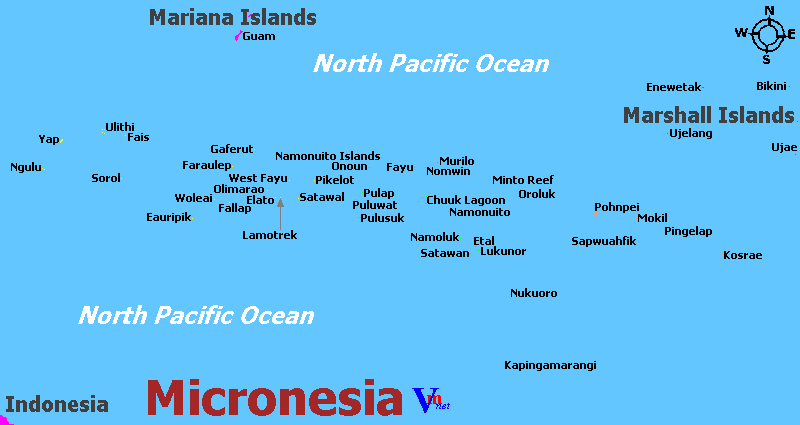
The Federated States of Micronesia consists of four states spread across the western Pacific Ocean: Yap, Chuuk, Pohnpei, and Kosrae. Together they encompass hundreds of islands, atolls, and reefs across a vast area of Oceania.
Commercial grape wine production is virtually nonexistent due to tropical conditions, high humidity, and the lack of environments suitable for traditional viticulture.
Instead, the nation's beverage culture is rooted in coconut products, traditional plant-based beverages, tropical fruits, and centuries of Micronesian traditions.
One of the most widespread traditional beverages throughout Micronesia is coconut toddy.
Fresh Toddy
Collected from coconut palm flower stalks, toddy is naturally sweet and has long been consumed
throughout many Micronesian islands.
It remains an important traditional beverage and source of nutrition in numerous communities.
Fermented toddy has also historically served as a locally produced alcoholic beverage.
Pohnpei is famous for one of Micronesia's most distinctive traditional beverages.
Sakau
Known elsewhere in the Pacific as kava, sakau is prepared from the roots of the kava plant and occupies
an important place in Pohnpeian culture.
Ceremonial and social gatherings frequently include sakau preparation and consumption.
For many visitors, sakau is one of the most memorable aspects of Pohnpei's cultural identity.
The islands support a variety of tropical fruits used in refreshments and specialty beverages.
banana
papaya
mango
pineapple
breadfruit
coconut
citrus fruits
Fruit-based drinks are widely consumed throughout the country.
Agriculture remains closely connected to daily life across many islands.
Important crops include:
coconut
breadfruit
banana
taro
yam
cassava
Many traditional beverages originate from these locally grown resources.
Most wine available in the Federated States of Micronesia is imported.
Common sources include:
United States
Australia
New Zealand
France
Wine consumption is concentrated in hotels, restaurants, and urban centres.
The Federated States of Micronesia contain both high volcanic islands and low coral atolls.
tropical climate
high rainfall
volcanic islands
coral atolls
warm temperatures year-round
marine influences
These conditions support tropical agriculture but are generally unsuitable for vineyard development.
Each state contributes unique traditions to the nation's beverage culture.
Yap is known for its traditional village culture.
Chuuk is famous for its lagoon and maritime heritage.
Pohnpei is renowned for sakau traditions.
Kosrae is noted for its lush tropical environment.
Together these influences create one of Oceania's most diverse cultural landscapes.
The Federated States of Micronesia are not a wine-producing nation, but they possess a rich beverage culture centered on coconut toddy, sakau, tropical agriculture, and traditional island practices. The diversity of Yap, Chuuk, Pohnpei, and Kosrae creates a unique Micronesian beverage heritage that reflects centuries of Pacific island history.