
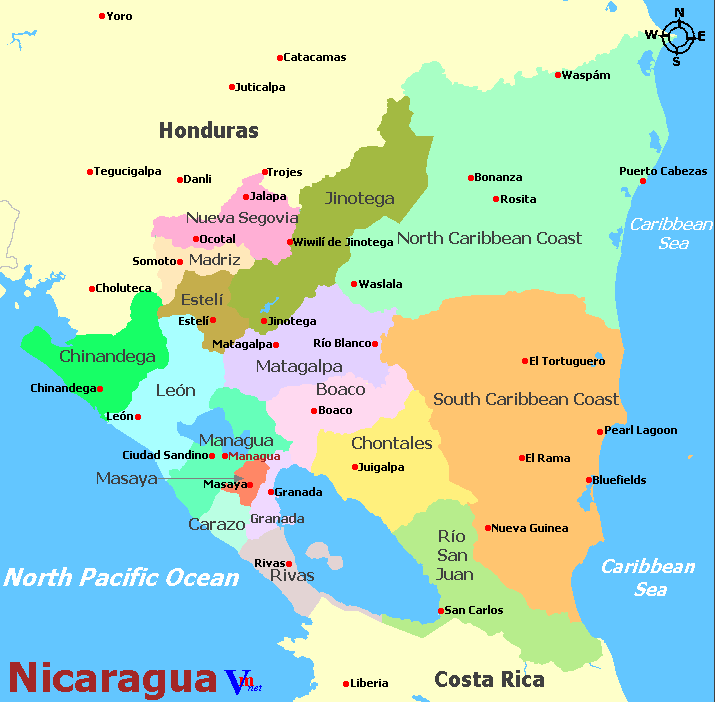
Nicaragua is the largest country in Central America and is known for its volcanoes, lakes, fertile agricultural land, and rich cultural traditions. While commercial grape wine production remains limited, Nicaragua has developed an internationally recognized reputation through its rum industry and agricultural products.
The country's tropical climate presents challenges for traditional viticulture, and most wines consumed in Nicaragua are imported. However, the combination of volcanic soils, highland regions, and agricultural diversity has created a distinctive beverage culture.
Today, Nicaragua is best known globally for producing some of the world's most respected rums.
No alcoholic beverage is more closely associated with Nicaragua than Flor de Cana.
Flor de Cana Rum
Produced near the base of the San Cristobal volcano, Flor de Cana has become one of the world's leading
premium rum brands. The company has received numerous international awards and exports its products
to dozens of countries.
The volcanic environment and long ageing process have become important parts of the brand's identity.
For many people around the world, Flor de Cana is Nicaragua's best-known beverage export.
Sugar cane cultivation has played a significant role in Nicaragua's agricultural economy.
The warm climate and fertile soils support cane production, which in turn provides the foundation for the country's rum industry.
Rum remains one of the most widely consumed alcoholic beverages in Nicaragua and is deeply connected to local traditions and celebrations.
Nicaragua is also an important coffee-producing country.
Major coffee-growing regions include:
JinotegaThese cooler mountain areas produce high-quality coffee that is exported internationally.
The country's agricultural diversity provides many fruits suitable for beverages and specialty wines.
mangoFruit wines are occasionally produced on a small scale, although they remain far less important than rum.
Nicaragua possesses some of the most dramatic geography in Central America.
active volcanoesThese landscapes support diverse agriculture and contribute to the country's distinctive beverage products.
Imported wines dominate the Nicaraguan market.
Common imports originate from:
ChileWine consumption is most common in Managua, Granada, Leon, resort areas, and higher-end restaurants.
In addition to rum, Nicaragua has a variety of traditional drinks.
fresh tropical fruit juicesThese products reflect the country's agricultural heritage and local ingredients.
Nicaragua is not a major wine-producing country, but it has earned international recognition through Flor de Cana and its premium rum industry. Combined with high-quality coffee, volcanic agriculture, tropical fruit beverages, and diverse landscapes, Nicaragua possesses one of Central America's most distinctive beverage cultures.