
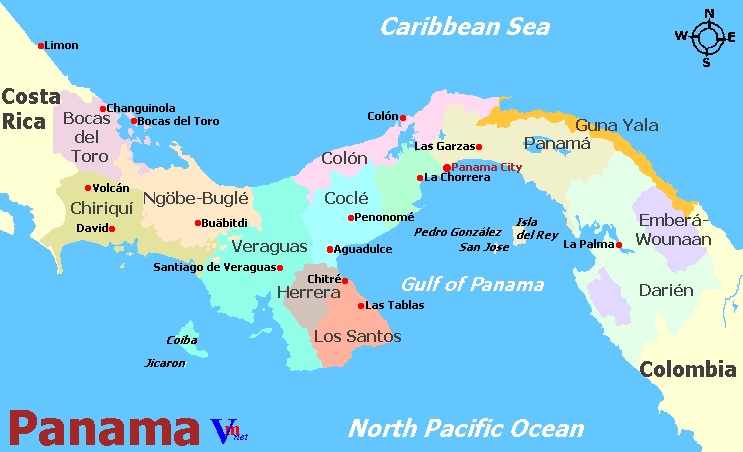
Panama occupies a unique position as the land bridge between North and South America and is bordered by both the Caribbean Sea and the Pacific Ocean. The country's strategic location has influenced its culture, cuisine, and beverage traditions for centuries.
Although Panama is not a major wine-producing nation, limited grape growing and experimental vineyard projects have been attempted in cooler highland areas. Most wine consumed in Panama is imported from established wine-producing countries.
The country's beverage identity is more closely associated with sugar cane spirits, premium rum, and tropical agricultural products.
No alcoholic beverage is more closely associated with Panama than Seco Herrerano.
Seco Herrerano
Produced from sugar cane, Seco is Panama's national spirit and is widely consumed throughout the
country. It is commonly mixed with fruit juices, soft drinks, or served in cocktails.
The spirit is particularly associated with celebrations, festivals, and national holidays.
Varela Hermanos
One of Panama's most important beverage producers and the company responsible for producing Seco
Herrerano.
Panama has earned international recognition for its premium rum production.
Ron Abuelo
One of the country's best-known rum brands. Produced by Varela Hermanos, Ron Abuelo has received
numerous international awards and is exported to many countries around the world.
Panamanian rum is known for its smooth character and high-quality ageing programs.
The Chiriqui Highlands around Boquete and Volcan provide cooler temperatures than most of the country.
These areas support:
coffee productionAlthough vineyard development remains limited, these highland regions offer the most favourable conditions for viticulture in Panama.
Panama's tropical climate supports a wide range of fruits used in beverages.
mangoThese fruits are commonly used in juices, cocktails, fruit wines, and specialty beverages.
Wine consumption has grown steadily, particularly in Panama City and tourism areas.
Common imports originate from:
ChileThe country's international business community and tourism sector have helped create a strong market for imported wines.
Panama contains a remarkable variety of landscapes despite its relatively narrow width.
Caribbean coastlineThe cooler elevations of western Panama provide the best opportunities for agricultural diversification, including experimental viticulture.
Panama is not a major wine-producing country, but it has developed one of Central America's most distinctive beverage cultures. Seco Herrerano, award-winning Ron Abuelo, tropical fruit beverages, and a growing appreciation for imported wines combine to create a beverage identity influenced by both Caribbean and Pacific traditions.