
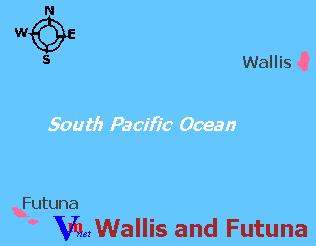
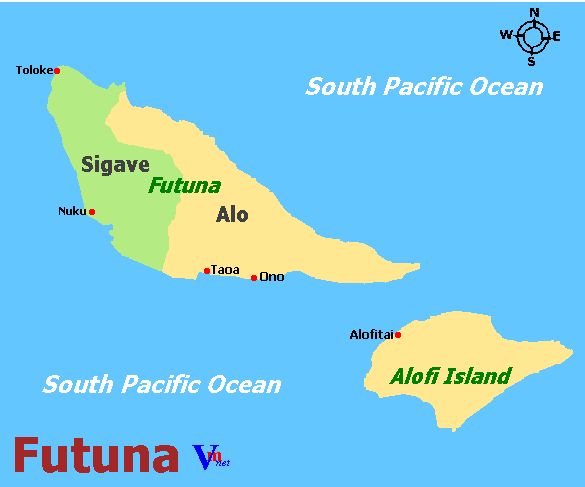
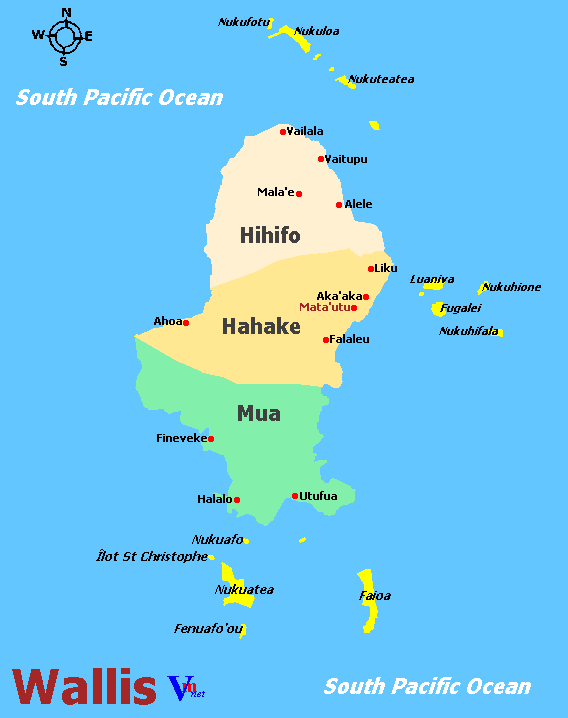
Wallis and Futuna is a French overseas collectivity located in the South Pacific Ocean between Fiji and Samoa. The territory consists primarily of the islands of Wallis (Uvea), Futuna, and the uninhabited island of Alofi.
The islands combine strong Polynesian traditions with French administrative and cultural influences. While commercial grape wine production is extremely limited, beverage traditions remain an important part of daily life and community celebrations.
The territory's beverage culture is shaped by kava, coconuts, tropical fruits, and French culinary influences.
Kava plays an important role in many Polynesian societies, including Wallis and Futuna.
Kava
Prepared from the roots of the kava plant, this traditional beverage is associated with ceremonies,
community gatherings, and cultural events.
The use of kava reflects the territory's close cultural connections with neighbouring Polynesian nations such as Tonga and Samoa.
Traditional ceremonies remain an important part of local life.
As a French territory, Wallis and Futuna maintains cultural links to France.
Imported wines commonly originate from:
Bordeaux
Burgundy
Champagne
Loire Valley
Rhone Valley
Wine consumption is generally associated with imported products rather than local production.
The islands' tropical climate supports a variety of fruits suitable for specialty beverages.
mango
pineapple
papaya
banana
passion fruit
guava
coconut
Fruit wines and fruit-based beverages may occasionally be produced on a small scale for local consumption.
Coconut palms are abundant throughout the islands and contribute significantly to local food and drink traditions.
Popular beverages include:
fresh coconut water
coconut milk drinks
traditional island refreshments
Coconut remains one of the most important agricultural resources in the territory.
Most wine available in Wallis and Futuna is imported.
Common imports originate from:
France
Australia
New Zealand
Wine is generally available through retailers, restaurants, and imported food suppliers.
Wallis and Futuna experience a tropical climate throughout the year.
volcanic islands
tropical temperatures
high humidity
seasonal rainfall
fertile soils
marine influences
These conditions support tropical agriculture but are generally unsuitable for commercial vineyard development.
Traditional customs remain highly influential throughout the territory.
Community gatherings, ceremonies, and family celebrations often feature traditional foods and beverages that reflect centuries of Polynesian heritage.
French and Polynesian influences combine to create a unique cultural identity.
Wallis and Futuna is not a wine-producing territory, but it possesses a distinctive beverage culture built around kava traditions, coconut products, tropical fruits, and French influences. The blend of Polynesian heritage and French connections creates a unique beverage identity within Oceania.