
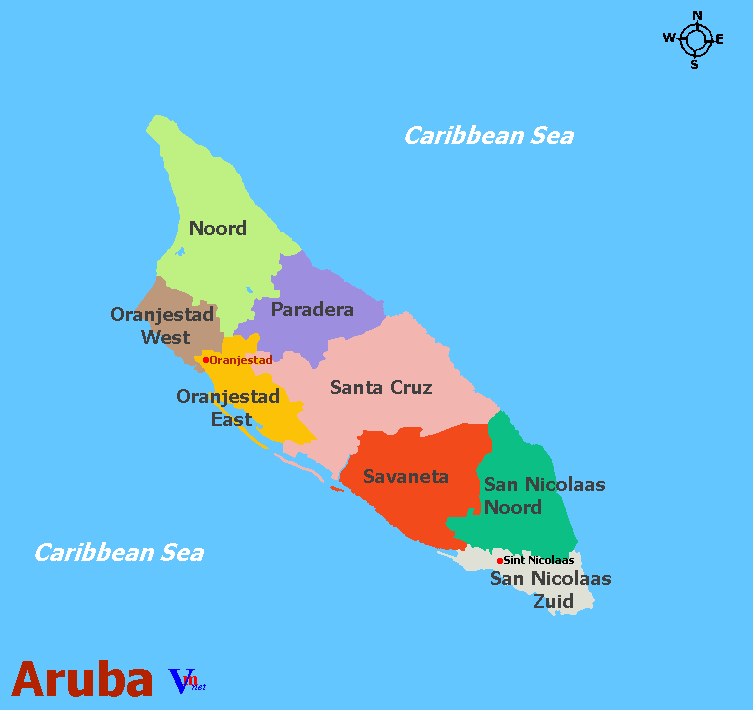
Aruba is a Caribbean island located off the northern coast of South America near Venezuela. The island is not considered a traditional wine-producing region because of its dry climate, limited freshwater resources, and generally unsuitable conditions for large-scale grape cultivation.
Most wines consumed in Aruba are imported from Europe, North America, South America, and other international wine-producing regions. Wine is widely available through the islands tourism and hospitality industries.
Traditional vineyard development is extremely limited, although small experimental growing projects and tropical fruit fermentation may occasionally occur on a local scale.
Aruba is better known for Caribbean-style spirits, tropical cocktails, and local liqueurs than for grape wine production.
Coecoei
Coecoei is one of the best-known traditional Aruban alcoholic drinks. It is a locally associated liqueur
traditionally made using rum, sugar, and agave or aloe-related flavouring ingredients. The drink has strong
historical ties to Aruba and neighbouring islands.
Rum-Based Drinks
Rum is widely consumed throughout Aruba and is commonly used in tropical cocktails, punches, and
mixed drinks served in resorts and restaurants.
Aruba also has a variety of locally inspired tropical beverages.
rum punchCocktail culture is strongly connected to tourism, beach resorts, and Caribbean hospitality traditions.
Arubas environmental conditions create challenges for traditional viticulture.
hot semi-arid climateUnlike many Caribbean islands, Aruba is located outside the main hurricane belt and has a drier climate, but conditions still remain difficult for large vineyard development.
Wine consumption in Aruba is heavily influenced by international tourism. Hotels, restaurants, and resorts commonly offer imported wines from:
FranceWine service is focused mainly on tourism and fine dining rather than local production.
Aruba is not a major wine-producing island, but it has a strong culture of Caribbean cocktails, imported wines, and locally associated beverages such as Coecoei. Traditional grape viticulture is very limited, while tourism and hospitality dominate the islands wine and beverage market.