
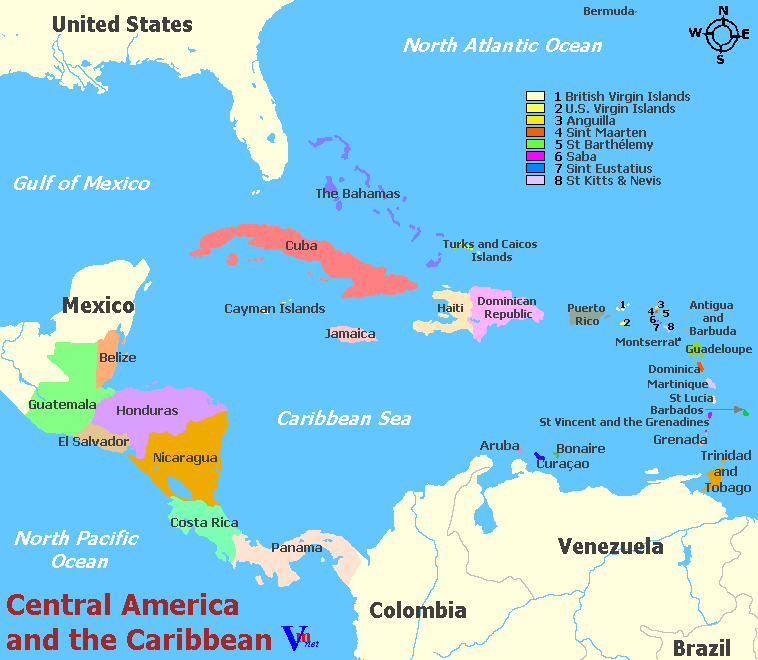
Central America and the Caribbean are not traditionally known as major wine-producing regions due to their tropical climates. However, small-scale viticulture and experimental vineyards exist in select areas where elevation and local conditions allow grape growing.
Most countries in this region rely on imported wines, but a limited number of domestic producers have developed niche wine industries. In some cases, production includes both grape wines and wines made from tropical fruits.
Wine production is typically concentrated in higher elevations or controlled environments where temperature and moisture can be managed more effectively.
Wine production in Central America is limited but present in small-scale operations.
Guatemala - Small vineyard projects in highland areas near Antigua and surrounding regions.Wine production in the Caribbean is rare and generally small-scale due to tropical conditions.
Dominican Republic - Limited local wine production and fruit wine industries.The region produces limited quantities of:
grape wines in controlled or high-altitude conditions
fruit wines made from local tropical fruits
small-scale experimental wines
Viticulture in Central America and the Caribbean is influenced by:
tropical and humid climates
high temperatures year-round
seasonal rainfall and humidity
limited suitable land for traditional vineyards
These conditions make large-scale wine production difficult, but small niche industries continue to develop.
Central America and the Caribbean are minor wine-producing regions with limited vineyard areas. Production is focused on small-scale, experimental, and local markets, with some development in higher elevations and controlled environments.