
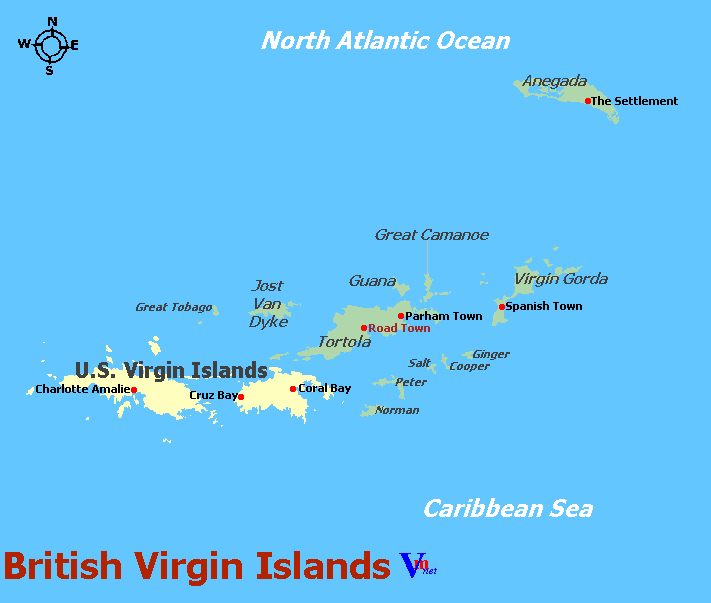
The British Virgin Islands (BVI) are an archipelago located east of Puerto Rico and north of the United States Virgin Islands. The territory consists of dozens of islands, with Tortola, Virgin Gorda, Anegada, and Jost Van Dyke being among the most well-known.
The islands are famous for sailing, yachting, beaches, and maritime tourism rather than agriculture. Limited land area, rugged terrain, seasonal droughts, and tropical weather make commercial grape growing impractical.
As a result, nearly all wines consumed in the British Virgin Islands are imported from overseas producers.
Rum has long been the dominant spirit throughout the British Virgin Islands and remains closely connected to local culture and tourism.
The Painkiller
Perhaps the most famous drink associated with the British Virgin Islands. The cocktail was created at the
legendary Soggy Dollar Bar on Jost Van Dyke and combines dark rum, pineapple juice, orange juice, and
cream of coconut. It has become one of the best-known tropical cocktails in the Caribbean.
Rum Punch
Found throughout the islands, rum punch remains a staple at beach bars, resorts, marinas, and local
celebrations.
Spiced and Aged Rums
Imported and Caribbean-produced rums are widely enjoyed by residents, sailors, and visitors exploring
the islands.
The British Virgin Islands have one of the strongest sailing cultures in the Caribbean. Much of the territory's beverage identity is tied to beach bars, yacht clubs, harbours, and waterfront establishments.
Popular gathering places often serve:
rum cocktailsThe relaxed sailing lifestyle has become an important part of the islands international reputation.
While traditional wine grapes are rarely grown, tropical fruits are common ingredients in local beverages.
mangoThese ingredients are frequently used in punches, cocktails, and specialty drinks served throughout the islands.
The British Virgin Islands experience conditions that favour tourism and tropical vegetation rather than vineyard development.
warm tropical temperaturesThese factors make large-scale viticulture difficult while supporting a thriving hospitality industry.
Wine consumption is concentrated in resorts, restaurants, marinas, and luxury charter tourism. Visitors from North America and Europe create demand for a wide range of imported wines.
Common wine sources include:
FranceThe British Virgin Islands are not a wine-producing territory, but they have developed a distinctive beverage culture centered on sailing, tourism, rum, and tropical cocktails. The world-famous Painkiller cocktail, waterfront hospitality, and Caribbean rum traditions are far more representative of the islands than vineyard production.