
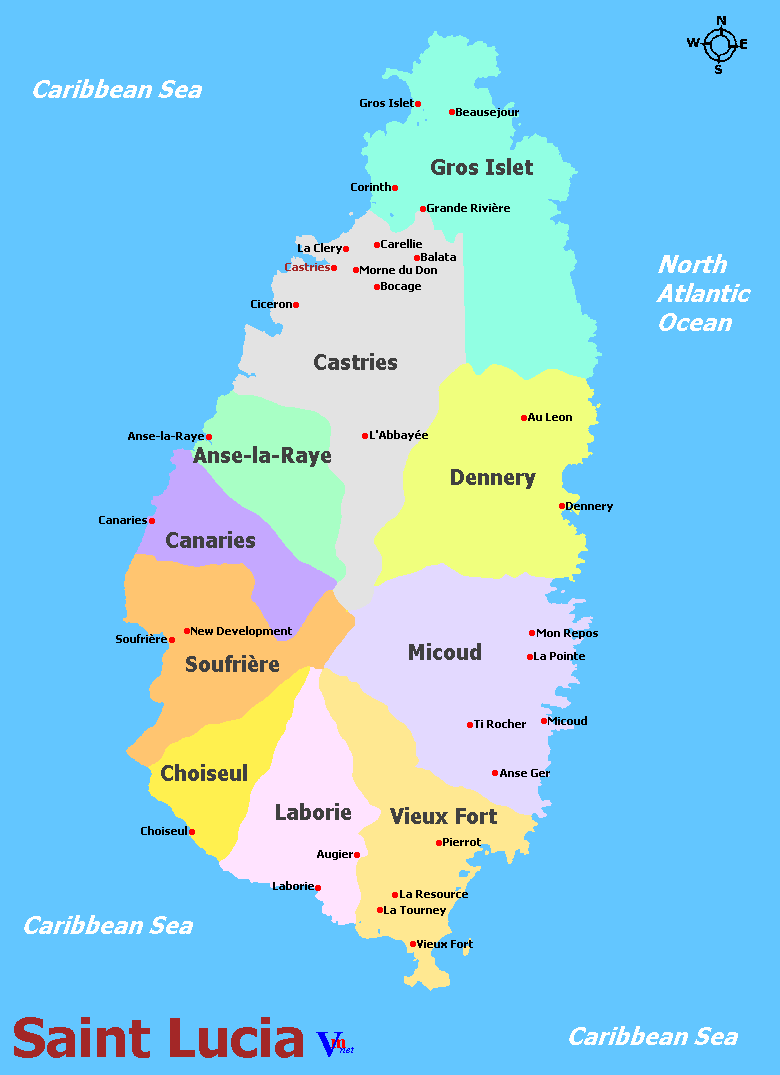
Saint Lucia is a volcanic island nation located in the eastern Caribbean between Martinique and Saint Vincent. Known for its dramatic Pitons, lush rainforests, and beautiful coastline, the island has become one of the Caribbean's most popular tourism destinations.
Although commercial grape wine production is extremely limited, Saint Lucia has developed a rich beverage culture built around rum, tropical agriculture, cocoa production, and an expanding culinary tourism sector.
Most wines consumed on the island are imported, but local spirits and Caribbean beverages remain central to Saint Lucian culture.
The island's most important alcoholic beverage producer is Saint Lucia Distillers.
Chairman's Reserve Rum
One of the Caribbean's most respected premium rum brands, known internationally for quality and
craftsmanship.
Admiral Rodney Rum
A premium aged rum named after the British naval commander associated with Caribbean history.
Bounty Rum
A popular local rum commonly enjoyed throughout Saint Lucia.
Saint Lucia Distillers has earned numerous international awards and helped establish the island as an important rum-producing nation.
Rum plays a major role in Saint Lucian social life and celebrations.
Rum Punch
A staple of island gatherings, resorts, restaurants, and festivals.
Spiced Rum Drinks
Local spices and tropical fruits are frequently incorporated into cocktails and specialty beverages.
Cocoa Tea
A traditional beverage made using locally grown cocoa, spices, and milk. While usually non-alcoholic, it
remains an important part of Saint Lucian culinary culture.
Saint Lucia has long been known for producing high-quality cocoa. The island's volcanic soils and tropical climate provide favourable conditions for cocoa cultivation.
Local chocolate products and cocoa-based beverages have become increasingly important attractions for visitors interested in agricultural tourism.
The island produces a variety of fruits that are commonly used in beverages and local products.
mangoThese ingredients appear in juices, cocktails, punches, and occasional fruit-based alcoholic beverages.
Saint Lucia's volcanic origin has created one of the Caribbean's most scenic landscapes.
volcanic mountainsThese conditions support tropical agriculture but are generally unsuitable for large-scale vineyard development.
The tourism industry has helped create strong demand for imported wines.
Common imports originate from:
FranceRestaurants and resorts throughout Castries, Rodney Bay, and Soufriere frequently feature extensive wine selections.
Saint Lucia is not a major wine-producing country, but it has established itself as one of the Caribbean's leading rum-producing nations. Award-winning rums, cocoa traditions, tropical agriculture, and a growing culinary tourism industry combine to create a beverage culture that is both distinctly Caribbean and uniquely Saint Lucian.