
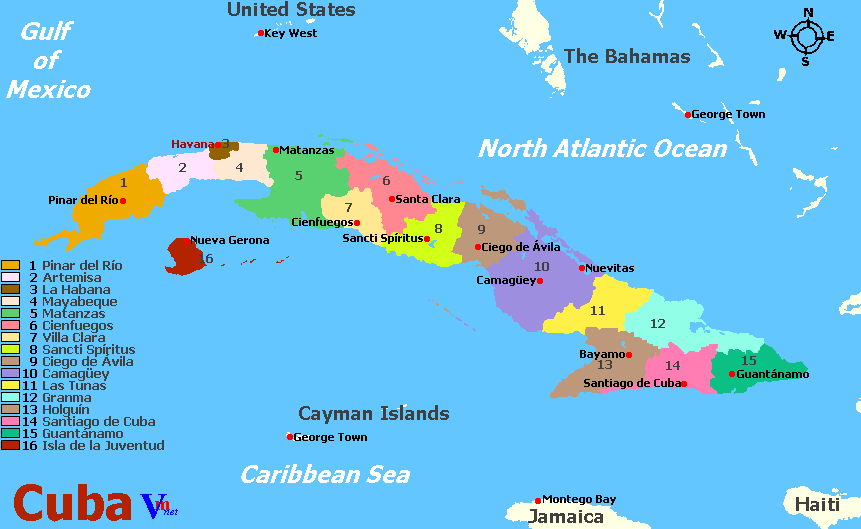
Cuba is the largest island in the Caribbean and has a beverage culture that is deeply connected to sugar cane agriculture, rum production, music, and social traditions. Although the country has experimented with grape cultivation in some areas, Cuba is not considered a major wine-producing nation.
Most wine consumed in Cuba is imported, particularly from Spain, Chile, Argentina, Italy, and France. Domestic wine production exists on a limited scale, but the country's international reputation is built primarily on rum rather than vineyards.
The combination of fertile land, tropical conditions, and a long history of sugar production helped make Cuba one of the world's best-known rum-producing countries.
Rum is the signature alcoholic beverage of Cuba and is closely associated with the country's identity.
Havana Club Rum
One of the most recognized Cuban rum brands. Havana Club is exported to many countries and is often
associated with traditional Cuban cocktail culture.
Santiago de Cuba Rum
Produced in eastern Cuba, this rum is known for its connection to one of the country's historic rum-
making centres.
The Cuban style of rum is generally lighter and smoother than many heavier Caribbean rums, making it particularly suitable for cocktails.
Several internationally known cocktails originated in Cuba.
Mojito
Made with rum, mint, lime, sugar, and sparkling water. It is one of the most famous cocktails in the world.
Daiquiri
Originally developed near the town of Daiquiri in eastern Cuba. The classic version combines rum, lime
juice, and sugar.
Cuba Libre
A simple but iconic mixture of rum, cola, and lime that became popular internationally.
El Presidente
A traditional Cuban cocktail combining rum with vermouth and orange liqueur.
While Cuba is not a major wine producer, locally available fruits have occasionally been used in homemade wines and fermented beverages.
mangoThese products remain far less important than rum within the country's beverage sector.
Cuba possesses one of the most diverse agricultural landscapes in the Caribbean.
warm tropical climateThese conditions are excellent for sugar cane cultivation but present challenges for large-scale vineyard development because of humidity and disease pressure.
Spanish colonization brought European wine traditions to Cuba, while African, Caribbean, and local influences helped shape the country's unique beverage culture. During the nineteenth and twentieth centuries, Cuban bars and hotels became famous throughout the world, attracting writers, musicians, and travellers.
This blend of influences helped establish Cuba as one of the most recognizable cocktail destinations on earth.
Cuba is not a significant wine-producing country, but it is one of the world's great rum-producing nations. Havana Club, the Mojito, the Daiquiri, and the Cuba Libre have given the island an international reputation that extends far beyond the Caribbean. Rum remains the heart of Cuban beverage culture, while imported wines supply most of the country's wine market.