
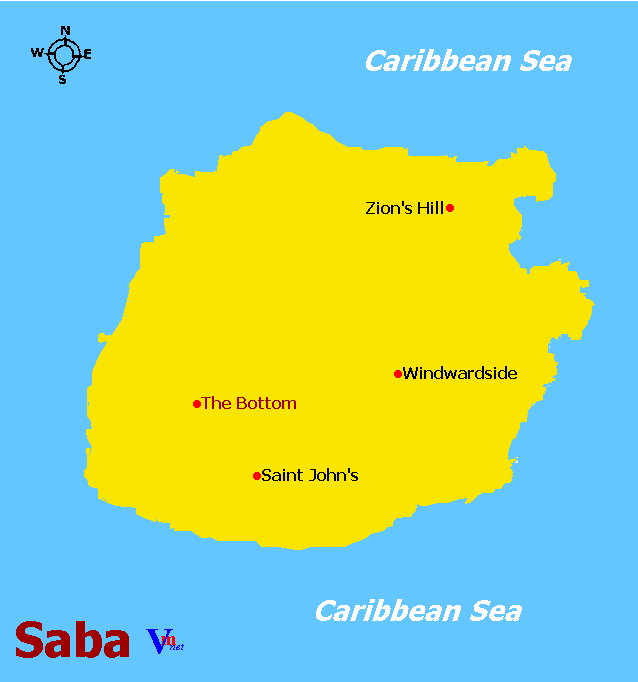
Saba is a small island in the northeastern Caribbean and forms part of the Caribbean Netherlands. Often called the "Unspoiled Queen" because of its dramatic scenery and limited development, Saba is dominated by steep volcanic slopes and the towering peak of Mount Scenery, the highest point in the Kingdom of the Netherlands.
The island's rugged terrain leaves little room for agriculture, and commercial grape vineyards do not exist. Most wines consumed on Saba are imported, primarily from Europe, North America, and South America.
Despite its small size, Saba has developed several beverage traditions that reflect its maritime history and Dutch Caribbean heritage.
The island's best-known alcoholic product is Saba Spice.
Saba Spice Rum
This locally associated rum liqueur is infused with Caribbean spices and has become one of the island's
signature products. It is popular among both residents and visitors and is often purchased as a souvenir.
The flavour profile reflects the spice trade influences that historically connected Caribbean islands with Europe and the wider Atlantic world.
For much of its history, Saba depended on fishing, shipbuilding, and maritime trade. These activities helped shape local drinking customs.
Rum became a common beverage among sailors and island residents, and rum punches remain popular at social gatherings and celebrations.
Many local recipes incorporate spices, citrus fruits, and other tropical ingredients.
Although agricultural land is limited, tropical fruits are used in homemade drinks and specialty products.
mangoThese fruits are commonly used in juices, punches, cocktails, and occasional small-batch fermented beverages.
Saba has one of the most dramatic landscapes in the Caribbean.
volcanic islandWhile the volcanic soils are fertile, the lack of extensive agricultural land makes vineyard development impractical.
Wine is readily available in restaurants, hotels, and guest accommodations serving visitors.
Common imports originate from:
FranceThe island's tourism industry supports a surprisingly diverse selection of imported wines despite its small population.
Saba is not a wine-producing island, but it has developed a distinctive beverage identity through its maritime heritage, volcanic environment, and locally known Saba Spice Rum. Imported wines, Caribbean rum traditions, and Dutch influences combine to create a beverage culture that is unique within the northeastern Caribbean.