
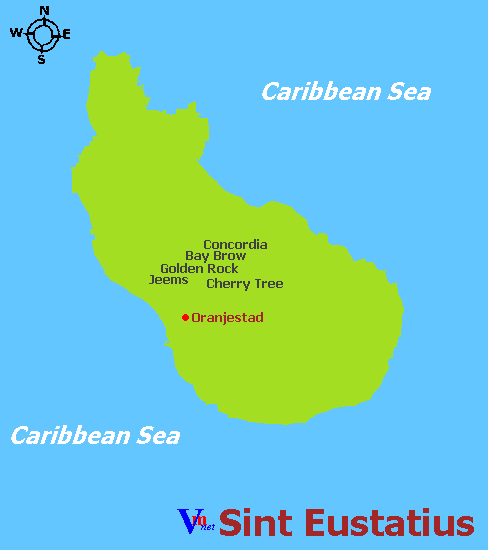
Sint Eustatius, often called Statia, is a small island in the northeastern Caribbean and forms part of the Caribbean Netherlands. Although modest in size today, the island once played a remarkably important role in international commerce during the eighteenth century.
At the height of its trading era, Sint Eustatius became known as the "Golden Rock" because of the enormous volume of goods that passed through its harbour. Ships from Europe, North America, Africa, and the Caribbean exchanged merchandise, including wine, rum, sugar, tobacco, and spices.
This commercial history has given the island a beverage heritage that differs from many of its neighbours.
During the eighteenth century, Sint Eustatius became one of the busiest free ports in the Atlantic world.
Merchants imported and exported:
European winesThe island's wealth during this period was built on trade rather than agriculture, and imported wines were available long before many surrounding territories developed similar markets.
Rum has historically been the alcoholic beverage most closely associated with Caribbean trade.
Sailors, merchants, and traders visiting Statia consumed rum from across the region, helping establish the spirit as an important part of local culture.
Today, rum punches and Caribbean cocktails remain common throughout the island's restaurants and social gatherings.
Commercial vineyard production is virtually nonexistent due to the island's limited land area and tropical climate. Most wines are imported through regional distributors and international suppliers.
Common imports originate from:
FranceWine is primarily consumed through the hospitality sector and by residents seeking imported products.
The island's tropical environment supports a variety of fruits used in juices, cocktails, and occasional homemade fermented beverages.
mangoThese ingredients frequently appear in Caribbean-style punches and mixed drinks.
Sint Eustatius is dominated by volcanic terrain and coastal plains.
The Quill volcanoWhile volcanic soils can support agriculture, the island's small size and climate have prevented the development of commercial vineyards.
Few Caribbean islands can match Sint Eustatius' historical importance in Atlantic commerce. The island served as a critical link between continents and played a significant role in the movement of goods throughout the eighteenth century.
This trading heritage remains one of the defining characteristics of Statia's cultural identity.
Sint Eustatius is not a wine-producing island, but its history as the "Golden Rock" gives it a unique place in Caribbean beverage history. Imported wines, maritime traditions, rum culture, and centuries of international trade have shaped a beverage identity rooted in commerce rather than agriculture.