
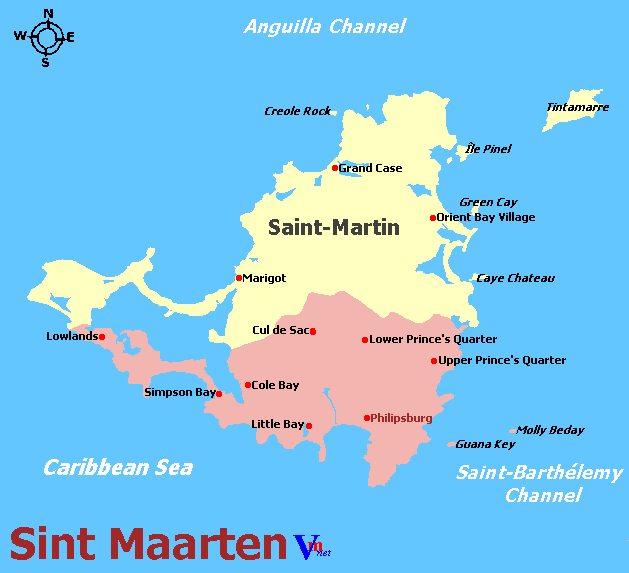
Sint Maarten occupies the southern Dutch portion of the island shared with Saint-Martin. Despite its small size, the territory has become one of the Caribbean's busiest tourism and cruise destinations, attracting visitors from around the world.
The island is known for its international atmosphere, luxury resorts, casinos, marinas, beach bars, and extensive dining options. While commercial vineyard production is virtually nonexistent, Sint Maarten has developed a strong wine and beverage culture through tourism and global trade.
Many visitors are surprised by the variety of wines available throughout the island.
One of Sint Maarten's advantages as a tourism destination is its duty-free status, which allows a wide selection of imported wines and spirits to be sold competitively.
Wine merchants, restaurants, resorts, and supermarkets stock products from many of the world's leading wine regions.
Popular imports include:
FranceThis international availability has helped create one of the most diverse wine markets in the Caribbean.
Although wine is widely consumed, rum remains one of the island's most popular alcoholic beverages.
Rum Punch
Served throughout beach bars, restaurants, and resorts. Each establishment often has its own recipe.
Frozen Tropical Cocktails
Visitors frequently enjoy cocktails made with rum, coconut, mango, pineapple, and other tropical
ingredients.
Caribbean Rum Selection
Bars commonly feature rums from across the Caribbean, allowing visitors to sample styles from multiple
islands.
Sint Maarten's population includes residents from many countries, and the island's restaurants reflect this diversity.
Visitors can find:
French cuisineThis international culinary environment naturally supports a strong wine culture.
Many local beverages incorporate Caribbean fruits and flavours.
mangoThese ingredients are commonly used in punches, cocktails, liqueurs, and specialty drinks served across the island.
Sint Maarten enjoys a warm tropical climate with conditions that favour tourism throughout most of the year.
warm temperatures year-roundWhile suitable for tourism and tropical vegetation, these conditions are not ideal for commercial vineyard development.
Several locations contribute significantly to the island's beverage and hospitality industries.
PhilipsburgThese areas contain many of the island's restaurants, bars, wine retailers, and entertainment venues.
Sint Maarten is not a wine-producing territory, but it has developed one of the Caribbean's most international beverage cultures. Duty-free wine imports, global cuisine, rum-based drinks, and a thriving tourism industry have made the island a major destination for visitors seeking both Caribbean hospitality and international dining experiences.