
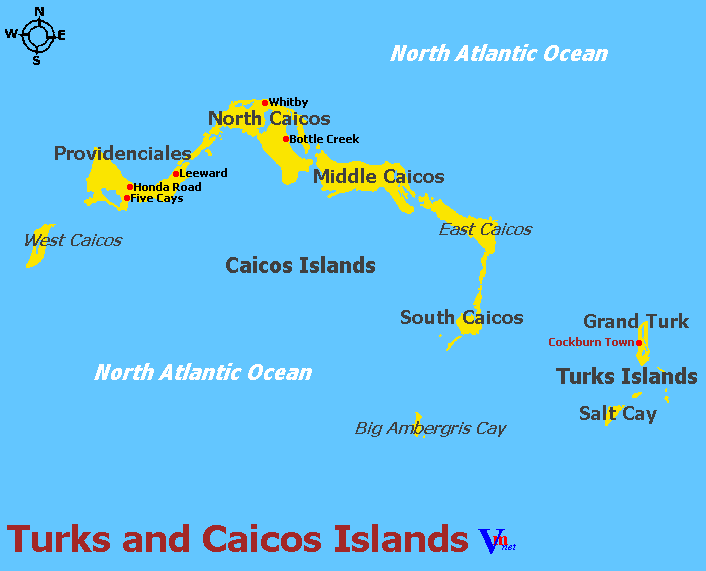
The Turks and Caicos Islands are a British Overseas Territory located southeast of the Bahamas in the Atlantic Ocean. The territory is best known for its white-sand beaches, turquoise waters, luxury resorts, and growing reputation as an upscale tourism destination.
Unlike agricultural regions that produce wine or spirits from locally grown crops, the Turks and Caicos Islands have limited agricultural resources due to their dry climate and low-lying geography. As a result, nearly all wine consumed on the islands is imported.
The beverage culture is shaped primarily by tourism, fine dining, yachting, and international hospitality rather than local production.
The islands attract visitors from North America, Europe, and beyond, creating strong demand for premium wines.
Many resorts and restaurants maintain extensive wine programs featuring selections from:
FranceWine pairings with seafood are especially popular due to the islands' strong fishing traditions.
Although wine is widely available, rum remains one of the most popular alcoholic beverages throughout the territory.
Rum Punch
A staple of beach bars, resorts, and island celebrations. Recipes vary but often include tropical fruit juices
and Caribbean rum.
Goombay Smash
A cocktail found throughout parts of the Bahamas and Turks and Caicos region, featuring rum and
tropical fruit flavours.
Frozen Tropical Cocktails
Popular among visitors enjoying the islands' beach and resort culture.
The Turks and Caicos Islands are famous for seafood, particularly conch.
Local restaurants frequently pair wines and cocktails with:
conch dishesThis emphasis on seafood has helped encourage a sophisticated wine market despite the lack of local vineyards.
Many local drinks feature fruits and flavours associated with the Caribbean.
mangoThese ingredients are commonly used in cocktails, punches, and resort beverages.
The islands differ from many volcanic Caribbean territories.
low-lying limestone islandsThese conditions are not favourable for commercial grape cultivation but are well suited to tourism and marine activities.
Several locations contribute significantly to the territory's beverage and hospitality industries.
ProvidencialesThese areas contain many of the islands' restaurants, bars, resorts, and wine retailers.
The Turks and Caicos Islands are not a wine-producing territory, but they have developed a sophisticated beverage culture through luxury tourism, international dining, and Caribbean hospitality. Imported wines, premium seafood pairings, tropical cocktails, and rum-based drinks define the islands far more than local agricultural production.