
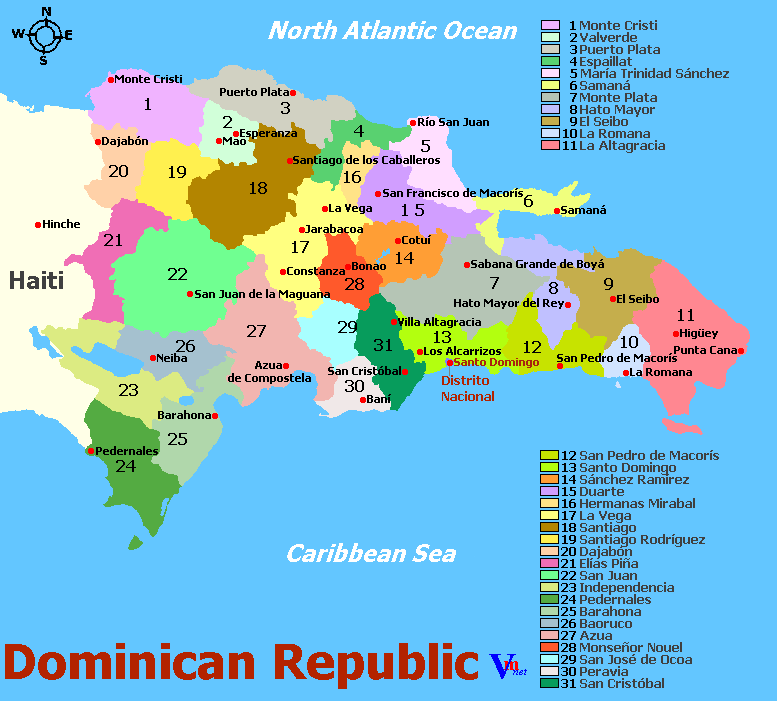
The Dominican Republic occupies the eastern two-thirds of the island of Hispaniola and possesses one of the most diverse agricultural sectors in the Caribbean. While the country is internationally known for tourism, cigars, coffee, and rum, it also has one of the region's more developed wine industries.
Unlike many Caribbean islands that rely entirely on imported wines, the Dominican Republic produces wine domestically. Local production includes both grape wines and wines made from tropical fruits grown throughout the country.
Although domestic production remains small compared to major wine-producing nations, the Dominican Republic stands out as one of the few Caribbean countries with a recognizable commercial wine sector.
Commercial wine production has developed in several parts of the country using both imported grape varieties and locally adapted growing methods.
Some wineries produce:
red winesThe combination of tropical conditions and higher inland elevations allows limited grape cultivation in selected areas.
The Dominican Republic's agricultural diversity provides a wide range of fruits suitable for fermentation.
pineappleFruit wines and specialty products have become popular with both residents and tourists seeking locally produced beverages.
Rum remains the country's most important alcoholic beverage and export spirit.
Brugal
Founded in 1888, Brugal is one of the most famous rum producers in the Caribbean and exports its
products internationally.
Barcelo
Another major Dominican rum producer known for premium aged rums and international distribution.
Bermudez
One of the oldest rum houses in the country and an important part of Dominican rum history.
Rum is deeply integrated into Dominican social life, celebrations, and cultural traditions.
Several beverages are closely associated with Dominican culture.
Mama Juana
Perhaps the most distinctive Dominican alcoholic beverage. It is made by soaking herbs, tree bark, roots,
and spices in rum, red wine, and honey. Recipes vary throughout the country and are often passed down
through generations.
Mama Juana is considered one of the Dominican Republic's most unique contributions to Caribbean beverage culture.
The Dominican Republic has a more varied landscape than many Caribbean islands.
high mountain rangesThe country's highest elevations provide cooler conditions that are more favourable for limited grape cultivation than many neighbouring islands.
Wine consumption has increased significantly through tourism, urban growth, and an expanding middle class. Imported wines continue to play a major role alongside domestic production.
Common imports come from:
SpainTourism centres such as Punta Cana, Puerto Plata, and Santo Domingo have contributed to growing interest in wine throughout the country.
The Dominican Republic possesses one of the Caribbean's most developed wine sectors and is one of the few islands in the region with meaningful commercial wine production. Combined with world-renowned rum producers and the unique Mama Juana tradition, the country has one of the most diverse beverage cultures in the Caribbean.