
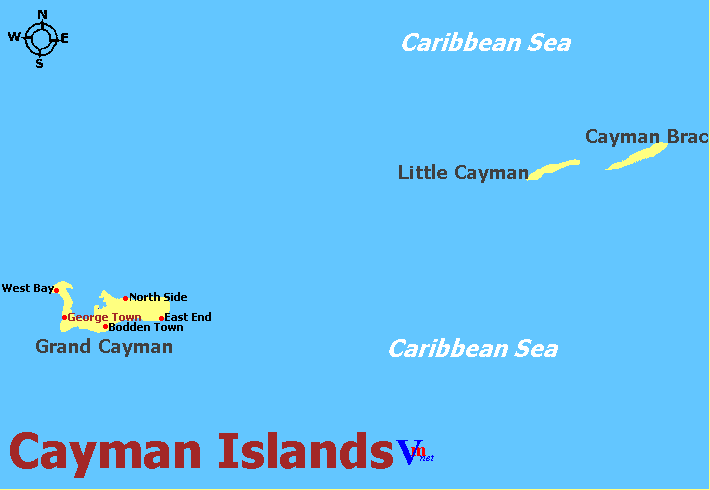
The Cayman Islands are a British Overseas Territory located in the western Caribbean Sea south of Cuba and northwest of Jamaica. Consisting of Grand Cayman, Cayman Brac, and Little Cayman, the territory has become one of the Caribbean's leading financial and tourism centres.
Unlike agricultural islands known for sugar cane or fruit production, the Cayman Islands developed largely around maritime industries, offshore finance, and tourism. Limited agricultural land, flat terrain, and tropical conditions have prevented the development of a significant vineyard industry.
Most wines consumed in the Cayman Islands are imported, but the territory has one of the Caribbean's most sophisticated wine markets due to its large hospitality sector and international population.
Grand Cayman is particularly well known for its restaurants, wine programs, and culinary events.
Many establishments maintain extensive wine cellars featuring selections from:
FranceThe Cayman Islands are often regarded as one of the Caribbean's leading destinations for food and wine tourism.
While wine is widely available, rum remains an important part of local beverage culture.
Cayman Rum Punch
A popular drink throughout the islands, combining rum with tropical fruit juices and local ingredients.
Variations are commonly served in beach bars and resorts.
Caribbean Rum
Imported rums from across the Caribbean are widely consumed and featured in many local cocktails.
Tortuga Rum Products
The Cayman Islands are internationally known for Tortuga rum cakes and rum-flavoured specialty
products, which have become one of the territory's best-known exports.
Many Cayman beverages incorporate tropical fruits and regional flavours.
coconutThese ingredients are frequently used in cocktails served throughout the islands tourism industry.
The Cayman Islands differ from many volcanic Caribbean islands because they are generally low-lying limestone islands.
warm tropical climateThese conditions are not ideal for commercial grape cultivation but are well suited to tourism and hospitality development.
Historically, the Cayman Islands were known for seafaring, shipbuilding, fishing, and turtle harvesting. The islands beverage culture evolved alongside maritime trade routes that connected the Caribbean, Europe, and North America.
This international influence helped create a modern dining and beverage scene that is far more diverse than the territory's small size might suggest.
The Cayman Islands are not a wine-producing territory, but they possess one of the Caribbean's strongest wine and dining cultures. Imported wines, premium restaurants, rum-based drinks, and internationally recognized products such as Tortuga rum cakes play a central role in the islands modern beverage identity.