
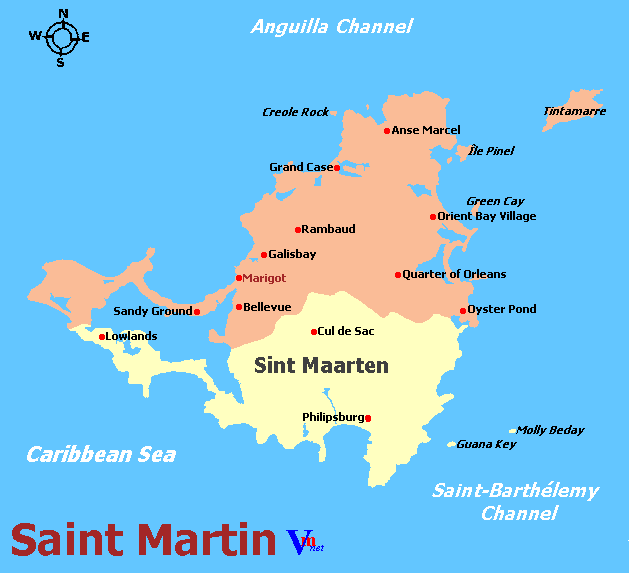
Saint-Martin is the northern French portion of the island shared with Sint Maarten. Although small in size, Saint-Martin has earned an international reputation as one of the culinary capitals of the Caribbean.
The island's economy is heavily dependent on tourism, hospitality, and fine dining. As a result, Saint- Martin offers one of the most diverse wine selections in the Caribbean despite having virtually no commercial vineyard production of its own.
French culinary traditions, Caribbean ingredients, and international influences combine to create a beverage culture that is unique within the region.
Saint-Martin is often called the "Gourmet Capital of the Caribbean" because of its concentration of restaurants, cafes, bakeries, and fine dining establishments.
The town of Grand Case is particularly famous for its restaurants, many of which feature extensive wine lists and French-inspired cuisine.
Wine plays a much larger role in everyday dining here than on many neighbouring Caribbean islands.
As an overseas collectivity of France, Saint-Martin maintains strong ties to French wine culture.
Imported wines commonly originate from:
BordeauxFrench wines are widely available in supermarkets, wine shops, restaurants, and hotels throughout the territory.
While wine is prominent, local beverage traditions remain firmly rooted in the Caribbean.
Ti' Punch
A classic French Caribbean drink made from rum, lime, and sugar.
Rum Punch
A popular tropical beverage served throughout the island in numerous variations.
Punchs Arranges
Rum infused with fruits, spices, herbs, vanilla, coffee, or citrus peels.
These beverages are commonly enjoyed alongside local seafood and Creole cuisine.
The island's tropical climate provides a variety of fruits used in beverages and cocktails.
mangoThese ingredients frequently appear in cocktails, punches, and flavoured rum infusions.
Saint-Martin enjoys a warm tropical climate that supports tourism throughout most of the year.
warm temperatures year-roundAlthough conditions support tropical agriculture, commercial grape cultivation remains impractical due to humidity and limited land availability.
The large number of visitors arriving from Europe, North America, and other Caribbean destinations has helped create one of the strongest wine markets in the region.
Marigot, Grand Case, Orient Bay, Cul-de-Sac, and Oyster Pond all contribute to the island's reputation for food, wine, and hospitality.
Wine tastings, gourmet events, and restaurant wine pairings are common features of the tourism industry.
Saint-Martin is not a wine-producing territory, but it has become one of the Caribbean's leading destinations for wine appreciation and fine dining. French wine culture, Caribbean rum traditions, and an exceptional restaurant scene have created a beverage identity that is far more sophisticated than its small size might suggest.