
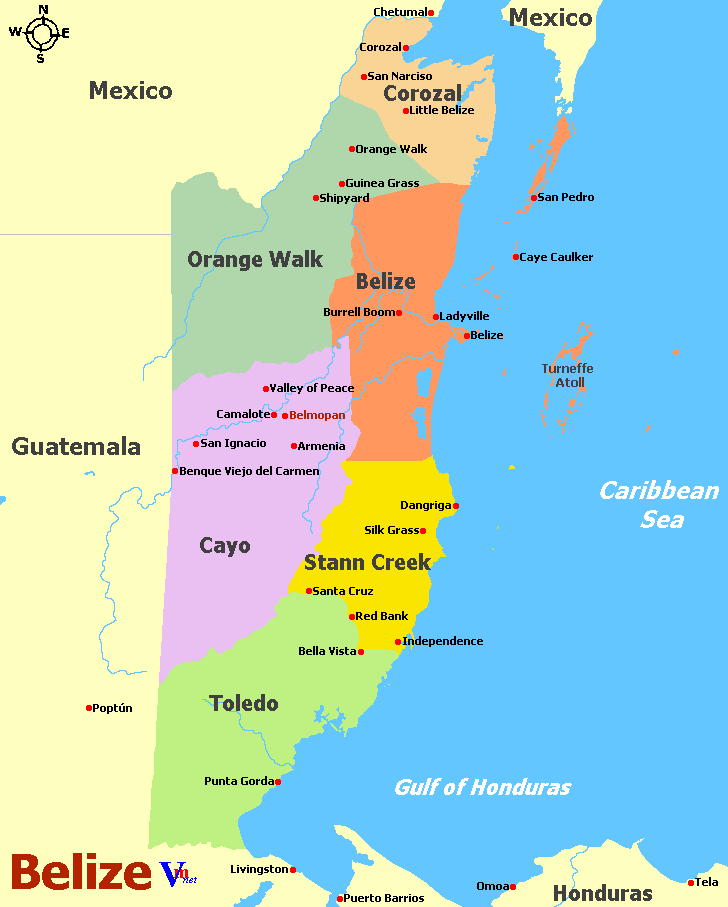
Belize occupies a unique position between Central America and the Caribbean. Its beverage traditions reflect influences from the Maya, Creole, Garifuna, Mestizo, and Mennonite communities that contribute to the country's cultural diversity.
Unlike major wine-producing regions, Belize does not have a significant grape-growing industry. The tropical climate, high humidity, and seasonal rainfall create challenging conditions for traditional vineyards. Most wine available in Belize is imported from international producers.
Rather than being known for grape wines, Belize is recognized for beverages derived from locally grown fruits, sugar cane, and traditional ingredients.
Belize has several distinctive drinks that are closely tied to local culture and agriculture.
Cashew Wine
One of the most distinctive alcoholic beverages produced in Belize. It is made from
the cashew fruit rather than the nut itself. During cashew season, homemade and
small-scale commercial production can be found in several rural communities.
Rum
Sugar cane has long been an important crop in Belize, making rum one of the country's
most widely consumed spirits. Belizean rum is used in cocktails, punches, and
traditional celebrations.
Craboo Wine
In some areas, the fruit of the craboo tree is fermented to create a locally made
fruit wine with a long history in rural communities.
Belize's tropical environment supports a wide variety of fruits suitable for fermentation.
cashew fruitMany of these beverages are produced on a small scale and are often associated with local festivals and seasonal harvests.
Belize contains some of the most important Maya archaeological sites in Central America, and traditional fermented beverages have been part of local culture for centuries.
Various fermented drinks made from corn, fruits, and honey have historically been consumed by indigenous communities throughout the region. Some of these traditions continue today in modified forms.
Belize features diverse landscapes ranging from Caribbean coastlines to inland forests and hills.
tropical climateWhile the higher elevations of the Maya Mountains are cooler than the lowlands, commercial vineyard development remains extremely limited.
Imported wines supply most of the Belizean wine market. These wines are commonly found in tourist destinations, restaurants, resorts, and urban centres such as Belize City and San Ignacio.
Major sources include:
ChileBelize is not a traditional wine-producing country, but it possesses one of the more distinctive fruit wine traditions in Central America. Cashew wine, craboo wine, rum production, and indigenous fermentation practices contribute to a beverage culture that reflects the country's diverse history, agriculture, and tropical environment.