
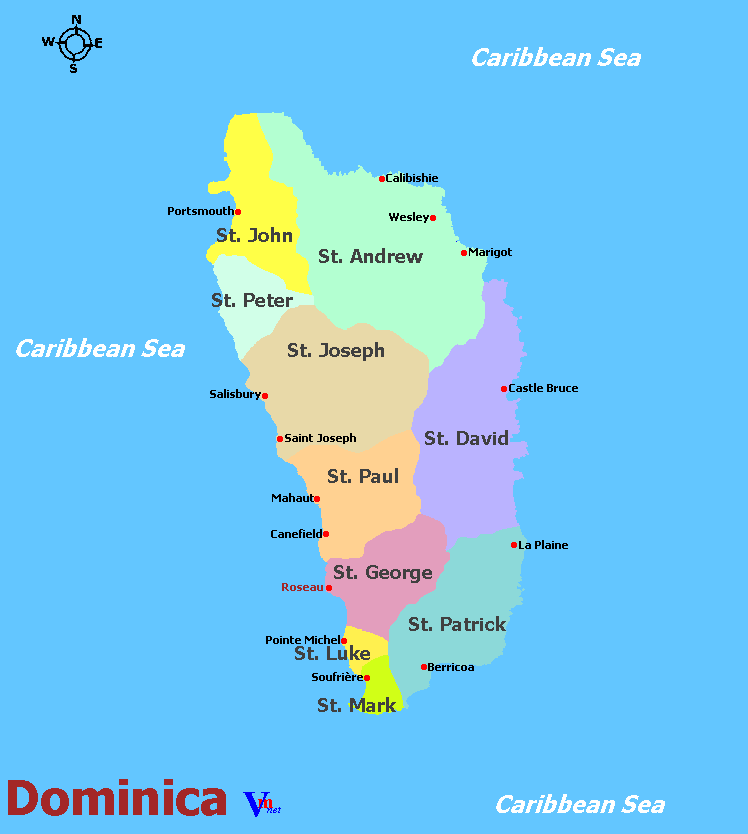
Dominica, often called the "Nature Island of the Caribbean," is known for its rugged mountains, rainforests, waterfalls, and volcanic landscapes. Unlike many Caribbean islands that developed large sugar plantation economies, Dominica remained more heavily forested and less intensively cultivated.
The island is not a significant producer of grape wine. High rainfall, tropical humidity, and mountainous terrain make commercial vineyard development difficult. Most wine consumed on the island is imported.
Dominica's beverage traditions are instead closely tied to local fruits, herbs, spices, and rum production.
One of Dominica's most distinctive alcoholic beverages is bush rum.
Bush Rum
Bush rum is made by infusing rum with local herbs, roots, spices, fruits, and medicinal plants. Recipes
vary widely between families and producers, and many are passed down through generations.
Ingredients may include:
cinnamonBush rum is often associated with traditional remedies, celebrations, and local culture.
Rum remains one of the most widely consumed alcoholic beverages on the island.
Historically, sugar cane cultivation supported small-scale rum production, and rum continues to play an important role in social gatherings and festivals.
Locally flavored rums and homemade infusions are particularly popular throughout rural communities.
Dominica's fertile volcanic soils support an abundance of tropical fruits that are sometimes used in homemade wines and fermented beverages.
mangoThese fruit-based beverages are generally produced on a small scale and are often sold at local markets and cultural events.
Dominica has one of the wettest climates in the Caribbean and one of the most mountainous landscapes in the region.
volcanic mountainsThese conditions create excellent environments for tropical crops but present significant challenges for traditional grape cultivation.
Dominica's beverage traditions reflect African, European, Caribbean, and Indigenous Kalinago influences. Many locally made drinks incorporate ingredients gathered from forests, farms, and home gardens.
This connection to the natural environment has helped preserve beverage traditions that are distinct from those found on many neighbouring islands.
Dominica is not a wine-producing island, but it has developed a unique beverage culture centred on bush rum, tropical fruits, herbal infusions, and local traditions. The islands volcanic landscape and rich biodiversity play a greater role in its beverage identity than vineyards or commercial wine production.