
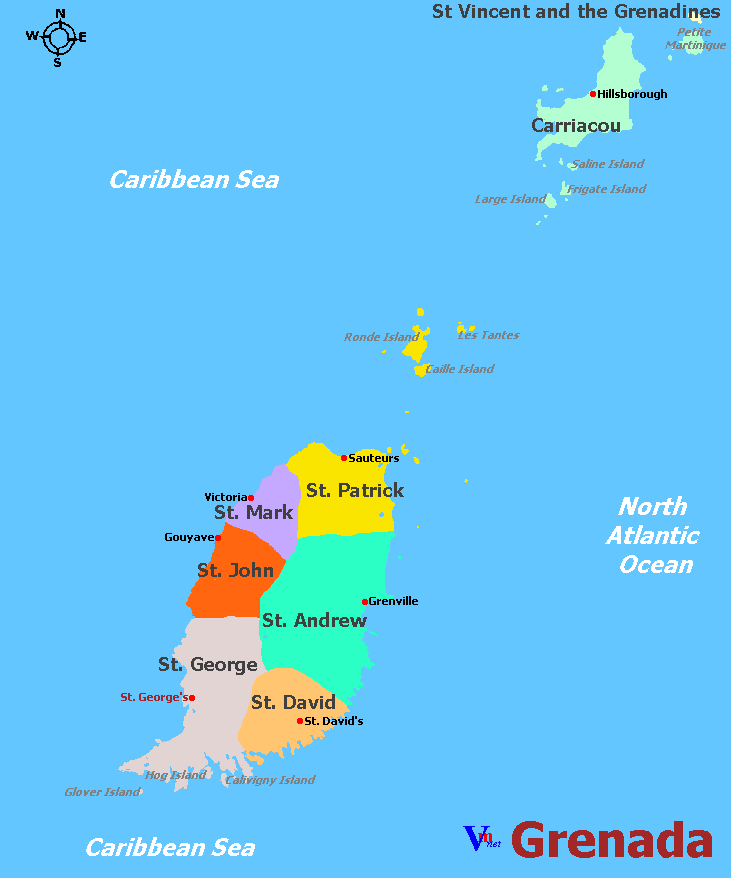
Grenada is located in the southeastern Caribbean and is often called the "Spice Island" because it is one of the world's leading producers of nutmeg and mace. The islands rich volcanic soils and tropical climate support a wide range of agricultural products, although traditional grape vineyards remain extremely limited.
Most wines consumed in Grenada are imported. The island's beverage identity is instead built around rum, spices, cocoa, and tropical fruits that reflect its agricultural heritage.
Unlike many Caribbean destinations that focus primarily on tourism, Grenada's beverage traditions remain closely connected to local farming and food production.
Rum is the most important locally produced alcoholic beverage.
River Antoine Rum Distillery
Founded in 1785, River Antoine is one of the oldest operating water-powered rum distilleries in the
Caribbean. The distillery continues to use traditional methods and produces a powerful sugar cane rum
that has become one of Grenada's best-known products.
Clarke's Court Rum
Another major Grenadian rum producer known throughout the Caribbean for a variety of rum styles and
flavoured products.
Grenada's reputation as the Spice Island naturally extends into its beverage culture.
Local drinks often incorporate:
nutmegThese ingredients are frequently used in rum punches, liqueurs, and homemade infusions.
Grenada is also known for high-quality cocoa production. Local chocolate makers and beverage producers use Grenadian cocoa to create specialty drinks and liqueurs.
Chocolate-flavoured rum products and cocoa-based beverages have become increasingly popular among visitors seeking local flavours.
The island's tropical agriculture provides ingredients for a variety of fruit-based beverages.
mangoSome homemade fruit wines and specialty products are produced on a small scale, particularly for local markets and festivals.
Grenada's environment differs from many flatter Caribbean islands.
volcanic soilsThese conditions are excellent for spices, cocoa, and tropical crops but are less suitable for commercial vineyard development.
Imported wines are widely available in hotels, restaurants, and resorts. Tourism and yachting visitors create demand for international wine selections.
Common imports come from:
FranceGrenada is not a significant wine-producing island, but it possesses one of the Caribbean's most distinctive beverage cultures. Traditional rum production, spice-infused drinks, cocoa products, and tropical fruit beverages reflect the islands reputation as the Spice Island and provide a unique alternative to vineyard-based wine regions.