
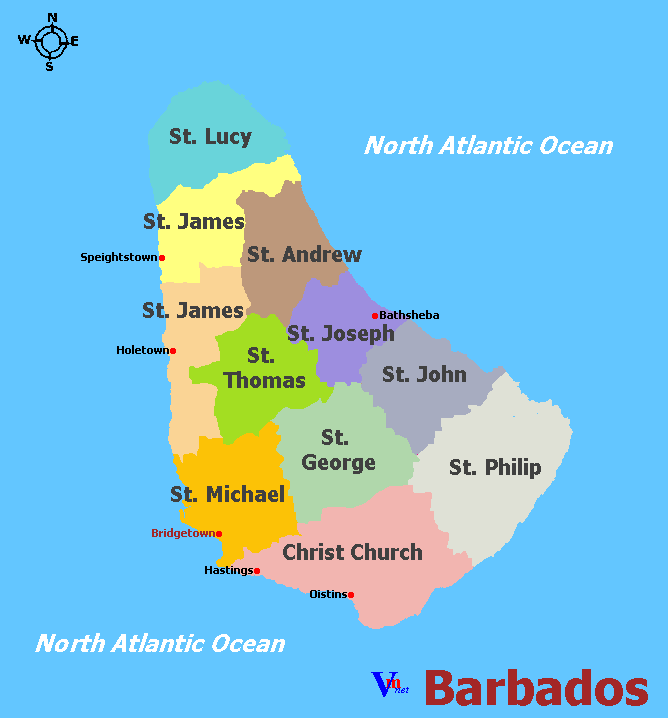
Barbados is the easternmost island in the Caribbean and has a beverage tradition that differs from many of its neighbours. Rather than being known for vineyards or grape wines, Barbados built its reputation on sugar cane cultivation and rum production, industries that have shaped the islands economy and culture for centuries.
The islands warm tropical climate and limited freshwater resources make large-scale grape growing difficult. As a result, most wines consumed in Barbados are imported, while locally produced alcoholic beverages focus on rum and sugar cane products.
Today, Barbados is recognized internationally as one of the historic centres of Caribbean rum production.
Barbados is often referred to as the birthplace of rum. Historical records indicate that rum production began on the island during the 1600s when sugar plantations became established.
Mount Gay Rum
Founded in 1703, Mount Gay is widely regarded as the world's oldest continuously operating rum
distillery. Its products are exported internationally and have become closely associated with Barbados.
Barbadian Rum
The island produces a range of aged, dark, golden, and white rums that are recognized for their smooth
character and traditional production methods.
Several drinks are strongly associated with local culture and celebrations.
Rum Punch
One of the national drinks of Barbados. Traditional recipes often follow the local saying:
"One of sour, two of sweet, three of strong, four of weak."
The drink typically combines lime juice, sugar, rum, and water.
Falernum
A sweet syrup or liqueur flavored with lime, ginger, cloves, and spices. It is frequently used in Caribbean
cocktails.
Mauby
A traditional beverage made from tree bark and spices. While usually non-alcoholic, it remains an
important part of Barbadian beverage culture.
Although grape wine production is minimal, tropical fruits occasionally serve as the basis for specialty beverages and small-batch fermented products.
mangoThese products remain niche items compared to the islands dominant rum industry.
Barbados has environmental conditions that favour sugar cane more than wine grapes.
warm tropical climateThe relatively flat landscape lacks the cooler high-altitude areas often used for quality vineyard development elsewhere in the world.
Barbados imports significant quantities of wine for its tourism industry, restaurants, resorts, and cruise visitors.
Popular imports include wines from:
FranceWine is widely available throughout the island, particularly in Bridgetown and major resort districts.
Barbados is not known for vineyard production, but it occupies a unique place in the history of alcohol production as one of the birthplaces of rum. The islands identity is closely linked to sugar cane, rum distillation, and traditional Caribbean drinks, while imported wines supply most of the local wine market.