
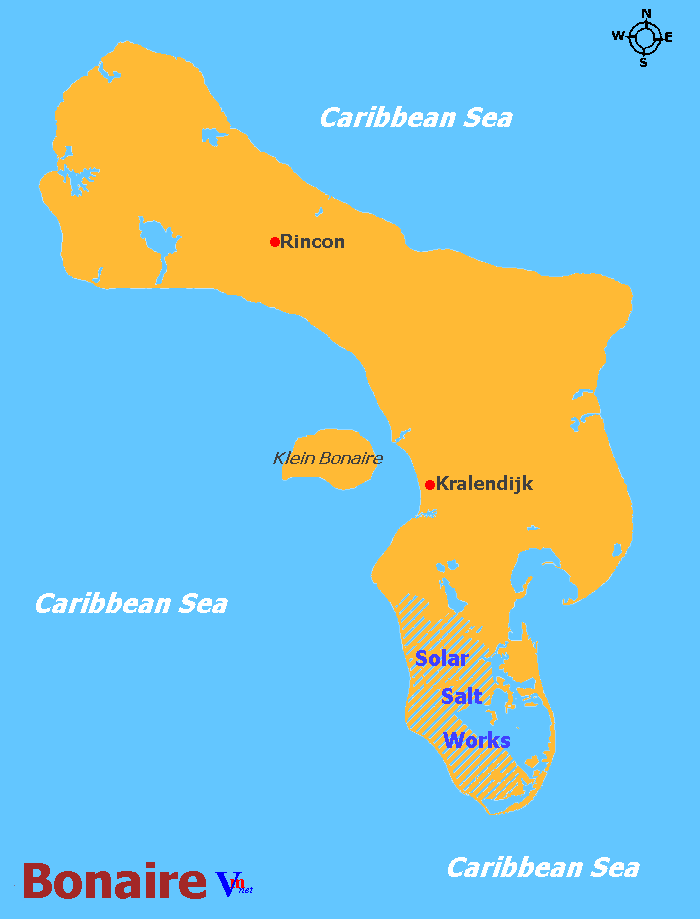
Bonaire is a Caribbean island located off the northern coast of Venezuela and forms part of the Caribbean Netherlands. The island is internationally famous for diving, marine conservation, salt production, and its relaxed atmosphere.
Unlike major wine-producing regions, Bonaire has a hot, dry climate with limited freshwater resources. Commercial vineyard development is extremely limited, and most wines consumed on the island are imported.
Bonaire has instead developed a beverage culture centered on local liqueurs, Caribbean spirits, and tourism-driven hospitality.
The island's most distinctive alcoholic product is Cadushy.
Cadushy Liqueur
Produced from the Kadushi cactus, a plant native to Bonaire and other parts of the southern Caribbean.
The liqueur is one of the few alcoholic beverages uniquely associated with the island.
Cadushy has become a popular souvenir and a symbol of Bonaire's ability to transform local ingredients into distinctive products.
Cadushy Distillery
Located near Rincon, the distillery produces a variety of liqueurs and spirits inspired by local plants and
fruits.
Rum remains widely consumed throughout Bonaire and is featured in many local beverages.
Rum Punch
A common drink served in beach bars, restaurants, and resorts.
Tropical Cocktails
Often made with local fruits, rum, and citrus flavours suited to the island's warm climate.
The tourism industry has helped create a broad selection of Caribbean and international beverages.
Although Bonaire is relatively dry, several tropical ingredients are used in beverages and specialty products.
cactus fruitThese ingredients frequently appear in cocktails, liqueurs, and fruit-based drinks.
Wine is widely available through restaurants, hotels, and retailers serving both residents and visitors.
Common imports originate from:
FranceEuropean connections, particularly with the Netherlands, have historically influenced wine availability on the island.
Bonaire differs from many Caribbean islands because of its dry climate and desert-like vegetation.
semi-arid climateThese conditions are well suited to tourism and unique local plants but are generally unsuitable for commercial grape cultivation.
Rincon, one of the oldest settlements in the Caribbean, remains an important cultural centre. Many traditional festivals and celebrations feature local foods, beverages, and music that reflect Bonaire's mixed Dutch, Caribbean, and Latin American influences.
The island's beverage traditions remain closely connected to its local identity despite its growing international tourism industry.
Bonaire is not a wine-producing island, but it possesses a distinctive beverage culture built around Cadushy cactus liqueur, Caribbean rum traditions, and Dutch-Caribbean influences. Imported wines, local specialty spirits, and tourism-driven hospitality combine to create a beverage scene that is uniquely Bonairean.